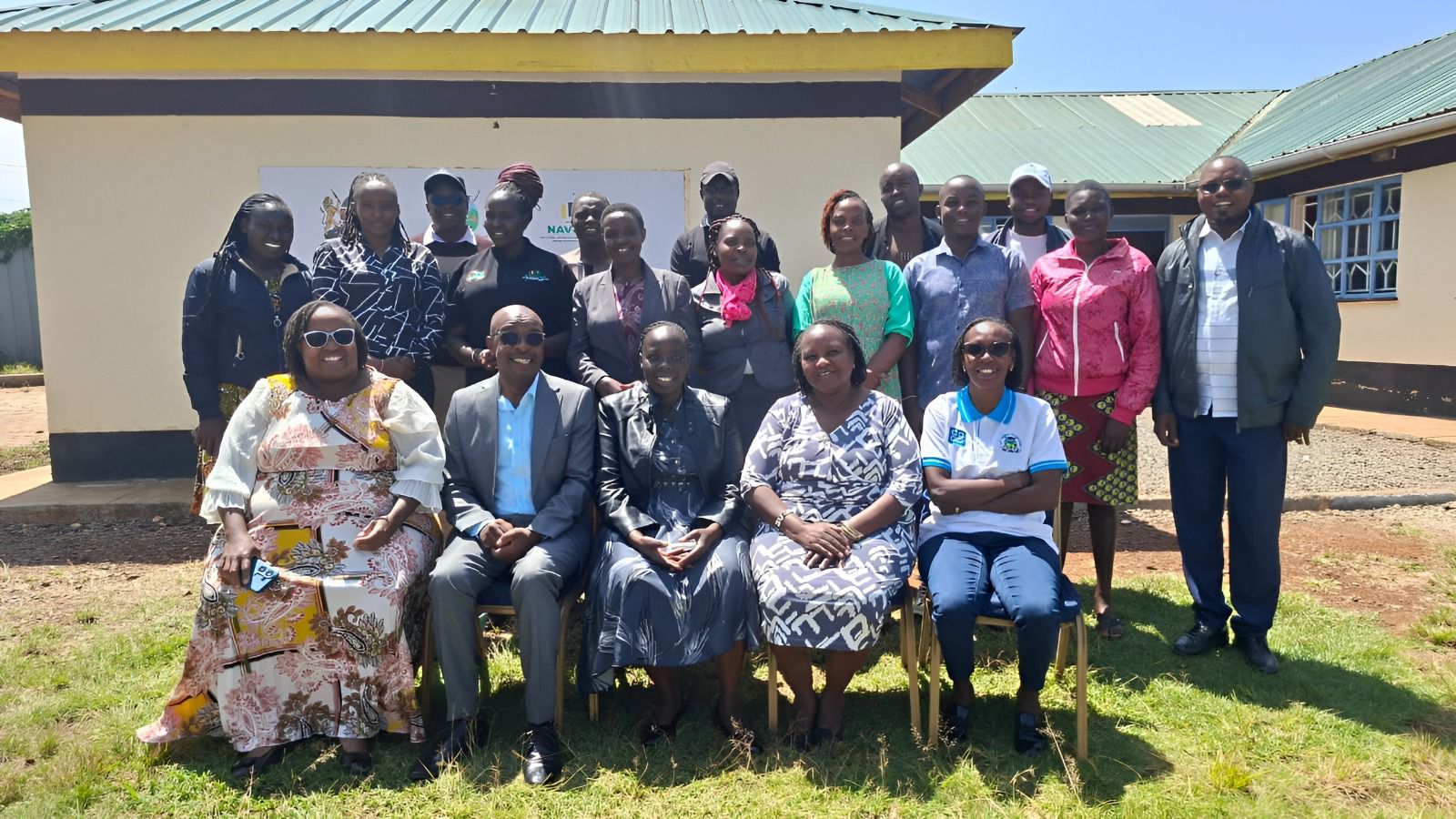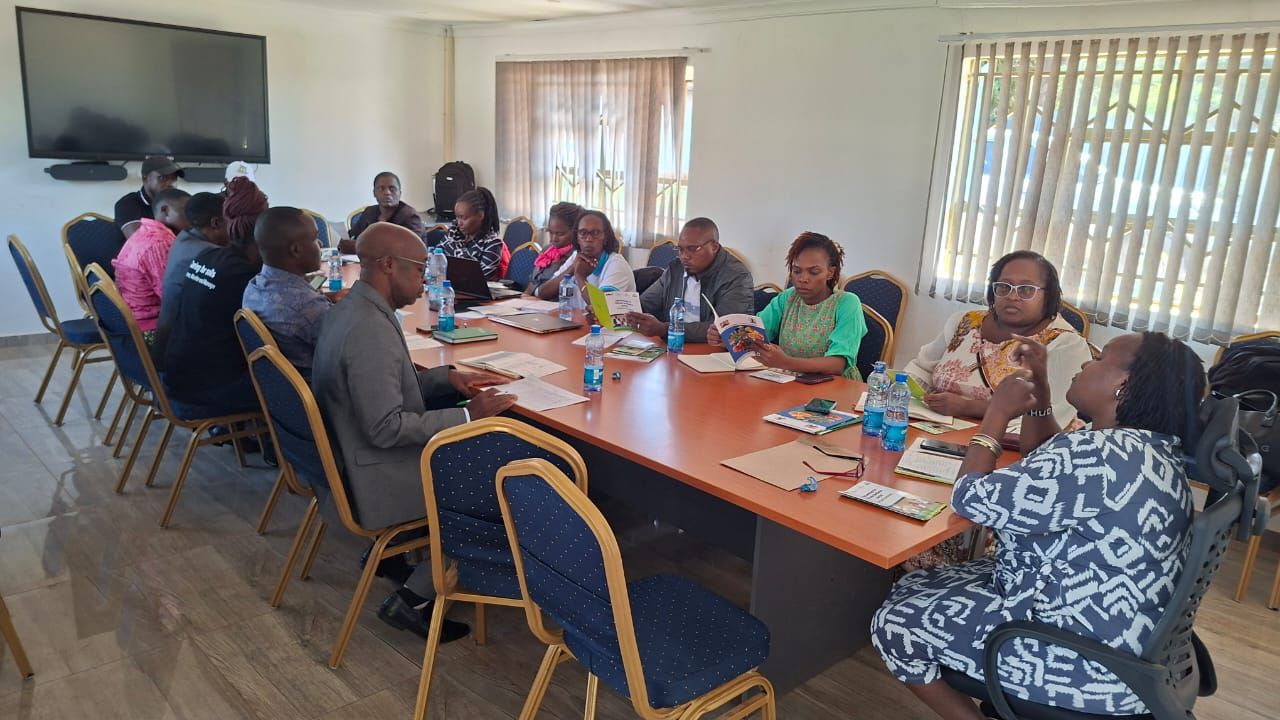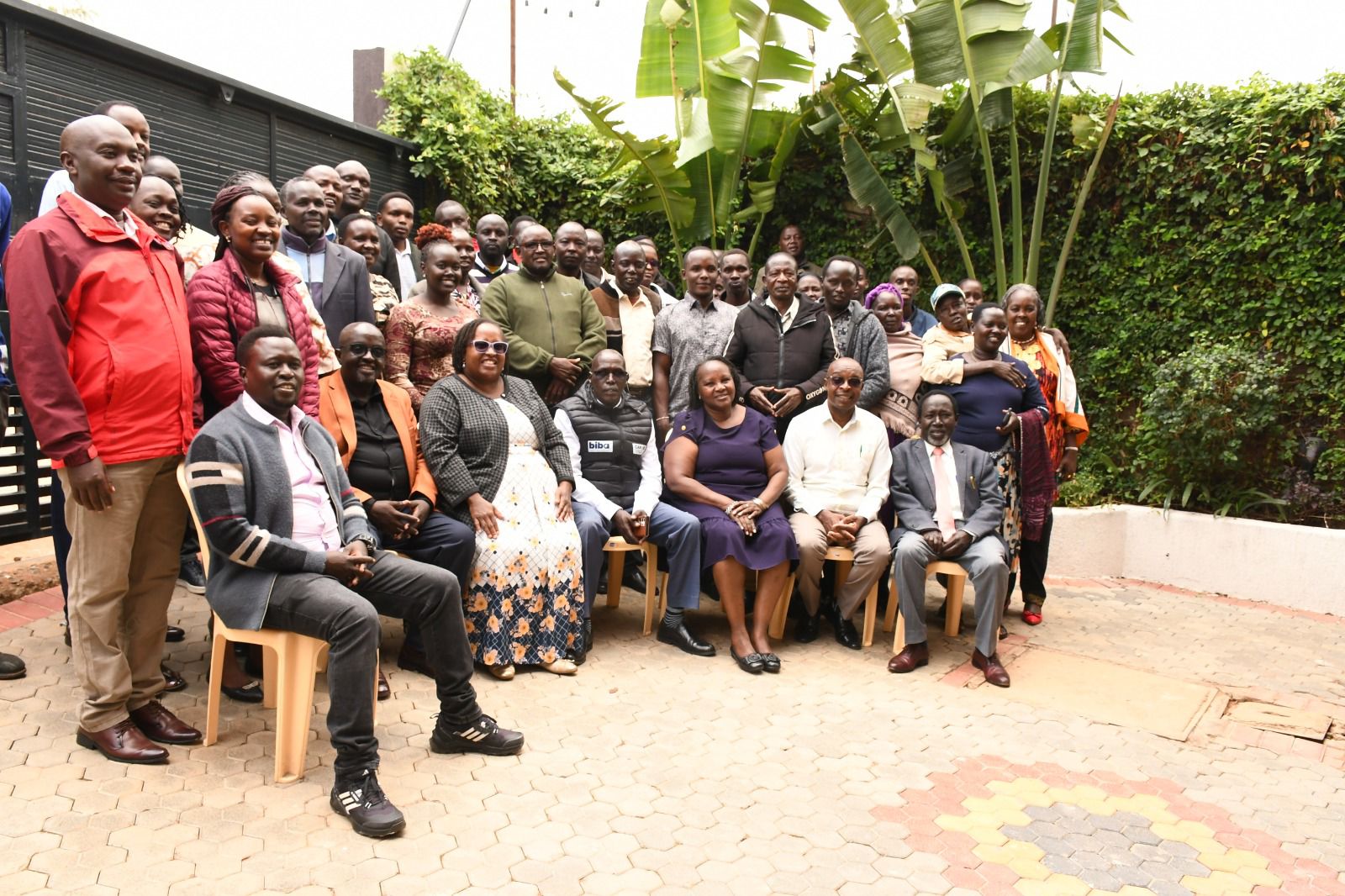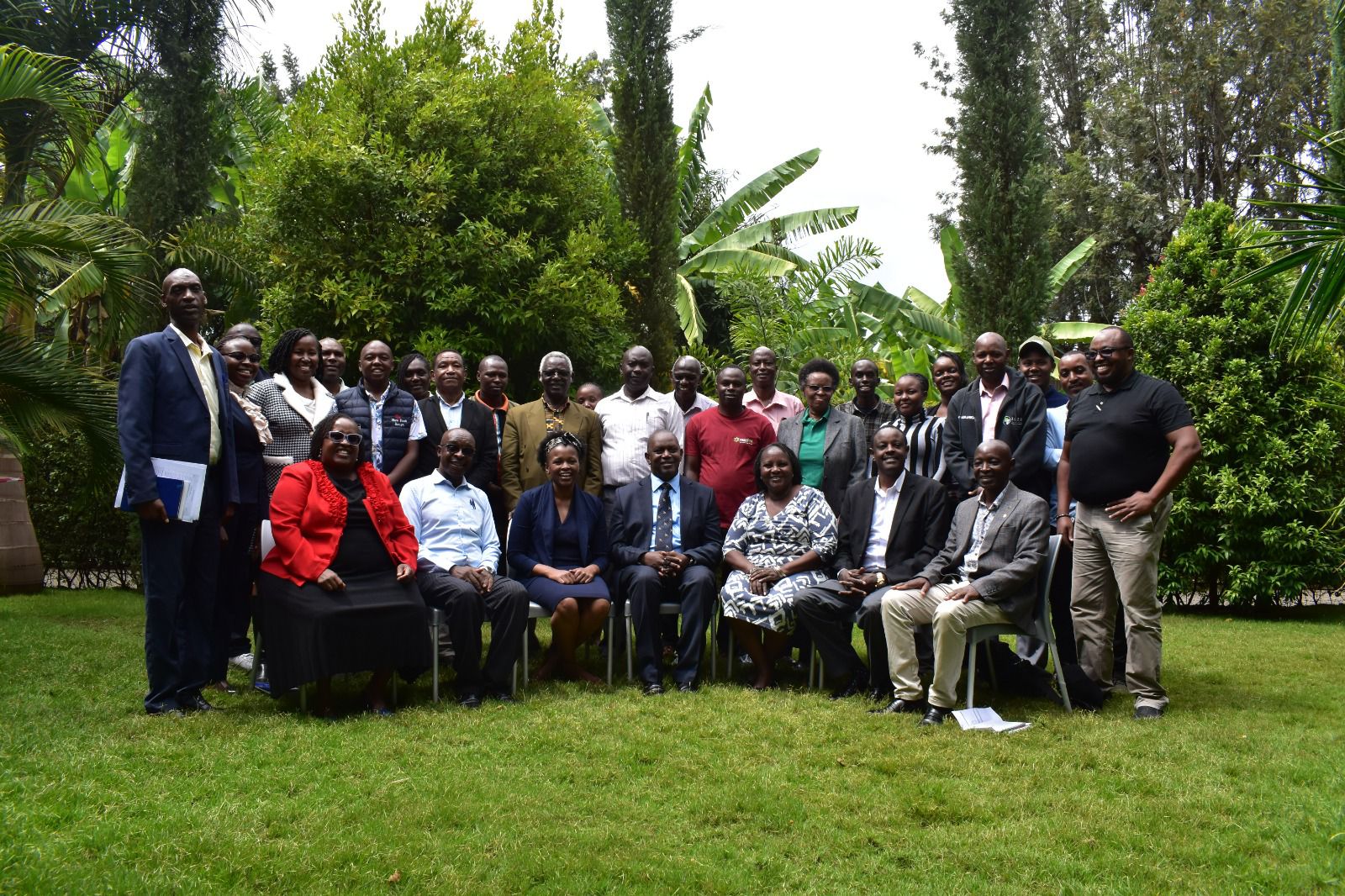
Call for Proposal: KAAT Consultancy for KA4S Agroecology Project

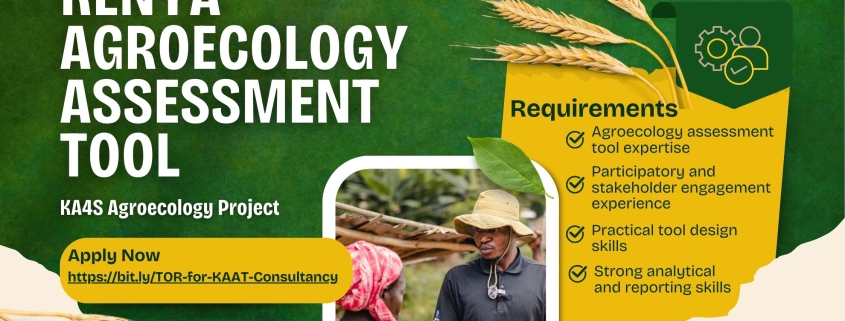
Pioneering Sustainable Food Systems: KOAN Calls for Experts to Develop the Kenya Agroecology Assessment Tool (KAAT)

Kenya’s agricultural landscape is evolving rapidly. With the 2024 launch of the National Agroecology Strategy for Food Systems Transformation (NAS–FST), agroecology—blending ecological principles with social, economic, and cultural factors—is gaining momentum. Yet, a critical gap remains: no harmonized system exists to verify and market agroecological (AE) products, eroding consumer trust and farmer opportunities.

Enter the Kenya Agroecology Assessment Tool (KAAT), a game-changer KOAN is developing under the KA4S project (Kilimo Hai Agroecology for Schools). Funded by The Rockefeller Foundation and implemented with Practical Action and FiBL, this initiative pilots in Murang’a County from August 2025 to January 2028. KAAT will adapt global tools like FAO’s TAPE (for performance evaluation) and Biovision’s F-ACT (farmer-focused) into a single, PGS-friendly framework. It powers the new Kilimohai Blue Mark, enabling peer-assessed certification for farms, landscapes, and value chains—linking 800+ farmers (especially women and marginalized groups) to schools, markets, and beyond.

Why KAAT Matters

  • Builds Trust: Ensures Agroecology products meet Kenya-specific standards for production, marketing, and consumption.

  • Boosts Livelihoods: Integrates PGS for traceability, school feeding programs, and mainstream markets.

  • Drives Policy: Generates evidence for national scale-up via Participatory Market Chain Approach (PMCA).

The Consultancy Opportunity

KOAN seeks experienced consultants (individuals or firms) for a 10-week assignment:

  • Analyze TAPE/F-ACT against Kenyan contexts.

  • Engage stakeholders (farmers, government, traders) via workshops and pilots.

  • Deliver KAAT prototype, user manual, training materials, and a validation workshop.

Ideal Profile: Advanced degree in agroecology/agriculture; 7+ years in assessment tools; TAPE/F-ACT expertise; participatory facilitation skills.

Download the full Terms of Reference here and submit your expression of interest to procurement@koan.co.ke with a copy to Eustace ekiarii@koan.co.ke by 31st December 2025.

Help shape Kenya’s agroecological future!

Stay tuned for updates on KA4S and join KOAN’s network for capacity building and market linkages.

Call for Consultants: Monitoring & Evaluation for the KA4S Agroecology Project in Murang’a County

The Kenya Organic Agriculture Network (KOAN), in partnership with Practical Action and the Research Institute of Organic Agriculture (FiBL), is pleased to announce an open call for qualified consultants to support Monitoring and Evaluation (M&E) activities for the project “Developing a Sustainable Kilimohai Market System for Agroecological School Meals and Mass Markets in Murang’a County, Kenya (KA4S).”

The project is supported by The Rockefeller Foundation.

KA4S aims to strengthen agroecological food systems by piloting the Kilimohai Blue mark for school meal programmes and mass markets, enhancing farmer livelihoods, and improving access to nutritious, locally produced food for school children.

We are seeking an experienced consultant or consultancy firm to undertake the Baseline, Midline, and Endline assessments—including data collection, analysis, and reporting for key indicators across schools, PGS groups, farmers, and consumers.

Scope of Work

The assignment covers:

  • Baseline, midline, and endline surveys
  • Data collection among 20 PGS groups, 30 schools, farmers, and markets
  • Comprehensive narrative reports
  • Excel raw data sheets and indicator calculations
  • Participation in inception, validation, and review meetings

Eligibility Requirements

Interested consultants must demonstrate:

  • Advanced academic qualifications (Master’s degree minimum)
  • Proven expertise in Monitoring & Evaluation
  • Experience with agriculture, agroecology, rural development, or market systems
  • Strong analytical, communication, and reporting skills
  • Ethical, reliable, and transparent working practices

How to Apply

Submit a single PDF file containing:

  1. Letter of Interest + Technical Proposal (max 4 pages)
  2. Financial Proposal (1 page)
  3. Consultant CV(s) (max 2 pages each) with references

Deadline: 10th December 2025

For comprehensive details, please read the Terms of Reference https://www.koan.co.ke/wp-content/uploads/2025/11/ToR-for-ME-Consultant-KA4S.pd

We encourage all qualified individuals and firms to apply and support the advancement of agroecology and school nutrition in Kenya.

Stimulating Organic Trade using EAOPS (Kilimohai Mark): Companies in Kenya join hands through the AFPQ Project

On 31st July and 1st August 2025, the Kenya Organic Agriculture Network (KOAN) joined regional stakeholders at the Gelian Hotel, Machakos for a two-day workshop on strengthening regional organic trade under the African Free Continental Trade Area (AfCFTA) framework. The event was part of the GIZ-AFPQ Project, coordinated by Biovision Africa Trust (BvAT) with support from implementing partners KOAN (Kenya), NOGAMU (Uganda), and TOAM (Tanzania).

Represented by Samuel Ndung’u (Programmes Manager), Wycliff Nyamao (Project Officer), and Mary Melicer Otieno (Programmes Assistant and Office Administrator), KOAN played an active role in shaping conversations around the East African Organic Products Standards (EAOPS), also known as the Kilimohai Mark, which has become a unifying mark of trust for organic trade across Eastern Africa.

Validating findings and identifying gaps
A key highlight of the workshop was the presentation and validation of findings from the baseline study on organic trade in Eastern Africa, which assessed market trends, compliance levels, gaps, and opportunities for growth. Stakeholders including certification bodies, national bureaus, and private sector players engaged in rich discussions on how to make recommendations more actionable and relevant to country-specific contexts.

For Kenya, the study highlighted both opportunities for expanding organic exports and the need to address capacity gaps among companies seeking to comply with EAOPS. KOAN facilitated group discussions that allowed participants to test the Training Needs Assessment (TNA) tools and identify priority areas where businesses require capacity building to fully embrace regional trade opportunities.

KOAN delivered key presentations on:
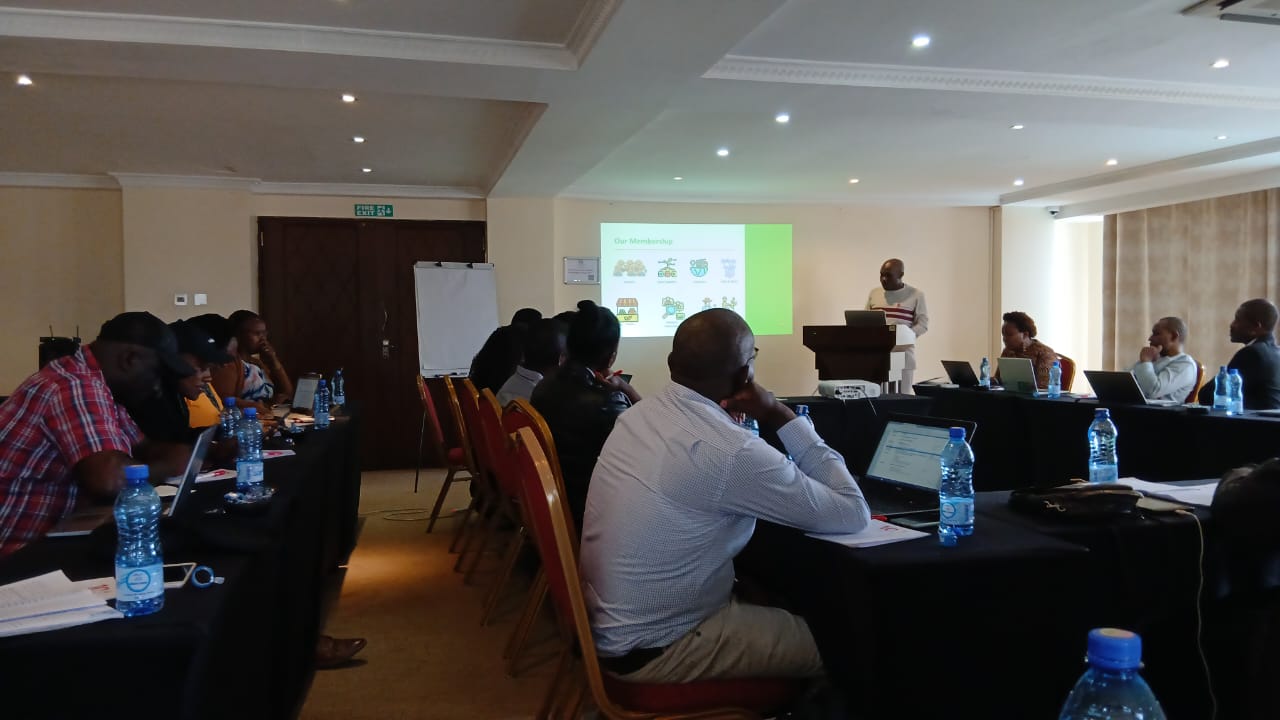
• The role of KOAN in advancing organic agriculture in Kenya, including market development, certification support, and policy advocacy.
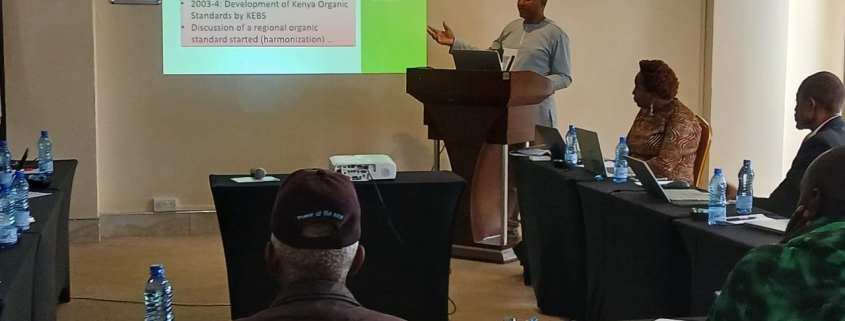
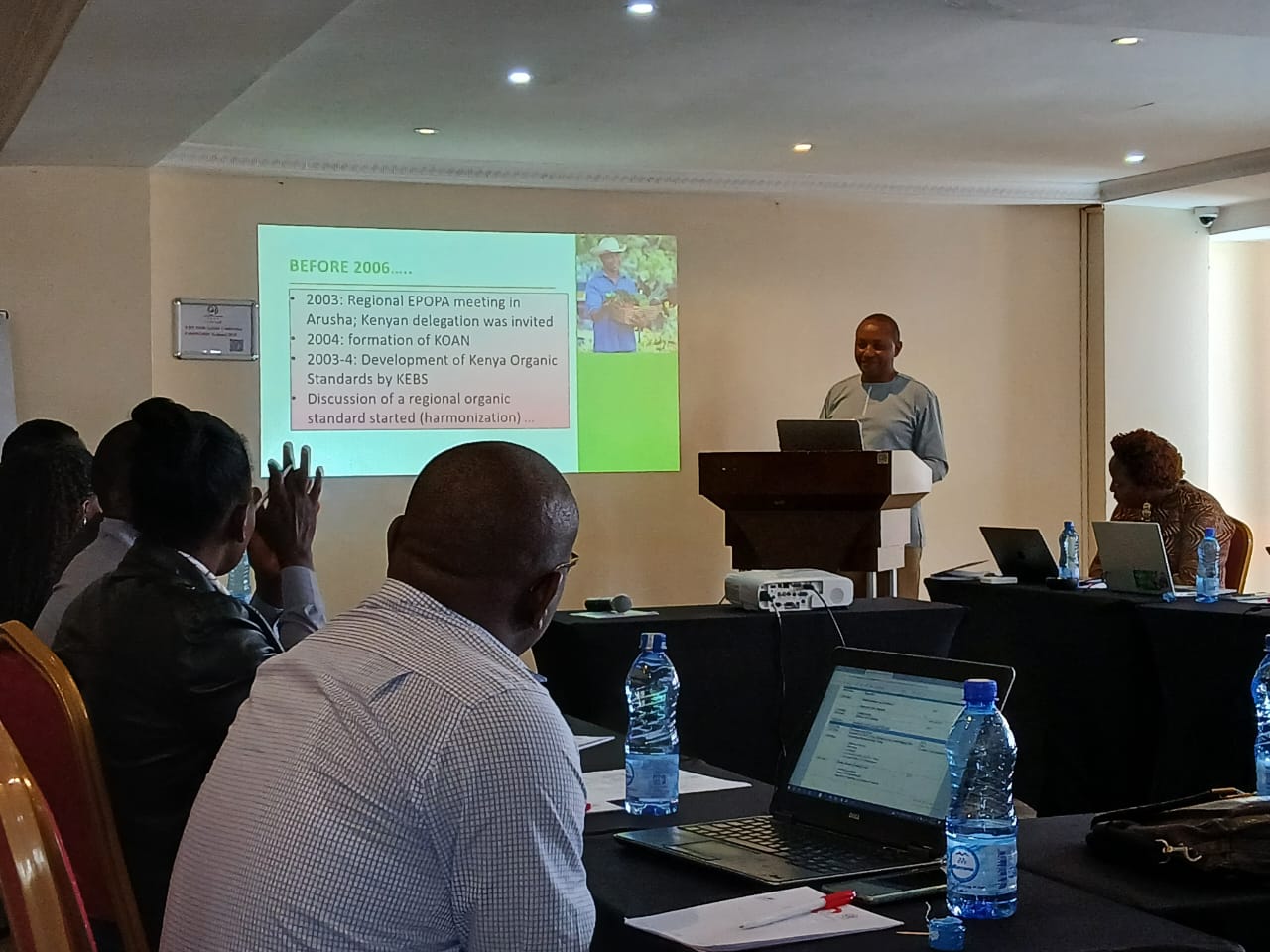
• The history, development, and ongoing review of EAOPS (Kilimohai Mark) as a driver of cross-border trade, credibility, and consumer trust in organic products.

These sessions set the stage for conversations on how companies can leverage the Kilimohai Mark to build competitiveness in regional and continental markets under AfCFTA.

Regional Collaboration and Future Prospects
The workshop also featured an introduction to the African Regional Standards Organization (ARSO), reinforcing the importance of aligning EAOPS with continental trade frameworks to ease the movement of organic goods across borders. Collaborative discussions underscored the need for harmonized standards, stronger certification systems, and robust consumer awareness to unlock trade potential.

As the event concluded, stakeholders agreed on the importance of capacity building, regional collaboration, and market development as the next steps for scaling organic trade in Eastern Africa. For KOAN, the workshop reaffirmed its commitment to championing the adoption of EAOPS, strengthening partnerships, and ensuring that Kenyan companies are well-prepared to seize opportunities presented by AfCFTA.

Strengthening Regional Organic Trade Through the EAOPS – A Spotlight on the AFPQ Project

The East African region is witnessing growing demand for certified organic products—both locally and across borders. Yet, one of the key challenges remains ensuring compliance with shared organic standards that build trust and open up trade opportunities. That’s where the “Strengthening Regional Trade Through Compliance with the East African Organic Product Standard (EAOPS)” project comes […]

Commencement and Launch Meeting for the Integrated Sustainable Production of Tomatoes (ISPOT) in Kenya Phase II

Mary took on the responsibility of representing our team at the highly anticipated Project Inception and Kickoff Meeting for the Integrated Sustainable Production of Tomatoes (ISPOT) in Kenya Phase II. The meeting was held on the 30th and 31st of May 2023 at the Mara Frontier Hotel in Narok, Kenya.

This pivotal gathering served as the foundation for the implementation of the ISPOT Phase II project in two counties, namely Kirinyaga and Narok. The primary objective of the meeting was to unite stakeholders and foster a shared understanding of the project’s scope, timeline, and respective roles.

By attending this meeting, Mary played a crucial role in establishing a strong starting point for the ISPOT Phase II project. Her presence ensured that our team’s voice was heard and that our interests were represented among the diverse group of stakeholders present.

Photo by Waldemar on Unsplash

The two-day event provided an opportunity for stakeholders to align their perspectives, discuss project details, and forge a common vision for the successful execution of the ISPOT Phase II initiative. Through active participation and insightful contributions, Mary helped to facilitate effective communication and collaboration among all involved parties.

As the meeting drew to a close, it became evident that the shared understanding achieved during this gathering would serve as a solid foundation for the subsequent stages of the project. With a clear project scope, well-defined timeline, and clearly established roles for each stakeholder, the ISPOT Phase II project is poised for a successful implementation in Kirinyaga and Narok counties.

Mary’s dedicated representation during the Project Inception and Kickoff Meeting contributed significantly to the collective effort of ensuring a smooth and coordinated start to the ISPOT Phase II project. Her involvement exemplified our team’s commitment to the project’s success and set the stage for fruitful collaboration with all stakeholders involved.

Overall, the meeting was a crucial milestone in the ISPOT Phase II project, bringing together key players and laying the groundwork for a harmonious and efficient project implementation process.

Actualizing the Participatory Market Chain Approach (PMCA) methodology

The implementation of the Participatory Market Chain Approach (PMCA) methodology has demonstrated immense potential in revolutionizing the organic industry throughout Kenya. During the trial period implemented in the COVID-19 pandemic years (2020-2022), a lot happened and much more was started.  Among these notable achievements, was the establishment and growth of the Kangari Organic Farmers Markets (KOFAM) and the Gatanga Organic Farmers Market (GOFAM).

Due to the imposed travel restrictions, organic products that were primarily destined for the Nairobi market faced significant challenges in reaching their consumers. Consequently, farmers began exploring local markets as an alternative solution. Initially, the idea of establishing a grocery shop in Kangari was considered, but based on past experiences regarding the management and upkeep of such ventures, it was discarded. Instead, the public market emerged as a favorable platform for selling organic products. Our collaboration with the farmers involved identifying business opportunities and refining them with the 5Ps of marketing (Product, Place, Price, Promotion, and Packaging).

Recognizing the importance of branding, the farmers made efforts to establish their unique presence within the market. They also engaged in negotiations with the County government to secure a dedicated space within the market premises where organic farmers could showcase and sell their products within specific timeframes. Furthermore, the farmers donned distinctive dustcoats and other branded attire, generating additional interest and driving sales. Today, the Kangari market operates successfully, displaying a sense of independence and witnessing ongoing growth. Our role as KOAN primarily involves supporting the Participatory Guarantee Systems (PGS) associated with the market.

Further accomplishments, which will be discussed in subsequent communique, including the development of herbs and spices dryer, the introduction of KOFAM and GOFAM herbs products, and the establishment of the Kenya Organic Avocado brand.