

KOAN at the Landscape Vision to Action (LV2A) Workshop: Advancing a 15-Year Agroecological Transition Pathway
Benard Maina, our Kiambu Field Coordinator, represented Kenya Organic Agriculture Network (KOAN) at the Landscape Vision-to-Action (LV2A) Workshop held from 17th to 19th February 2026 at the Jumuia Conference and Country Home in Limuru.
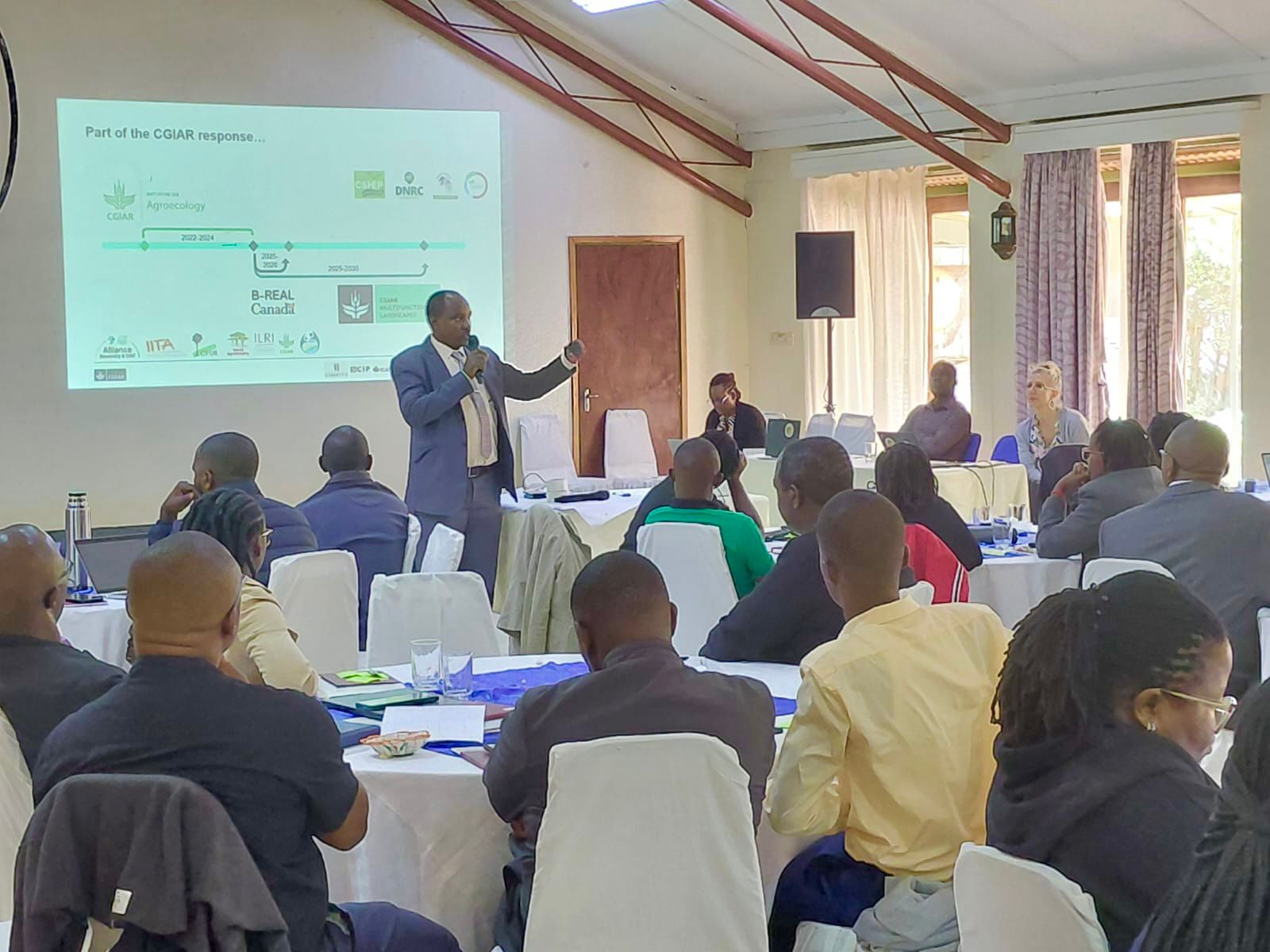
The workshop was convened under the Biodiversity for Resilient Ecosystems in Agricultural Landscapes (B-REAL) Project and the CGIAR Science Program on Multifunctional Landscapes. It brought together researchers, government representatives, NGOs, farmer groups, and private sector actors to co-develop a shared landscape vision and define a long-term transition pathway toward sustainable transformation.
Notably, Participatory Guarantee Systems (PGS) featured prominently as a priority behavior change mechanism within the 15-year transition framework strongly aligning with KOAN’s strategic mandate.
A Shared Vision for Multifunctional Landscapes
The focal landscape under discussion covers Ndeiya (Kiambu County), extending south into Kajiado County and across to Makueni County.
Day one of the workshop focused on:
-
Validating research findings from the Agroecology Initiative
-
Reviewing and refining the landscape context assessment
-
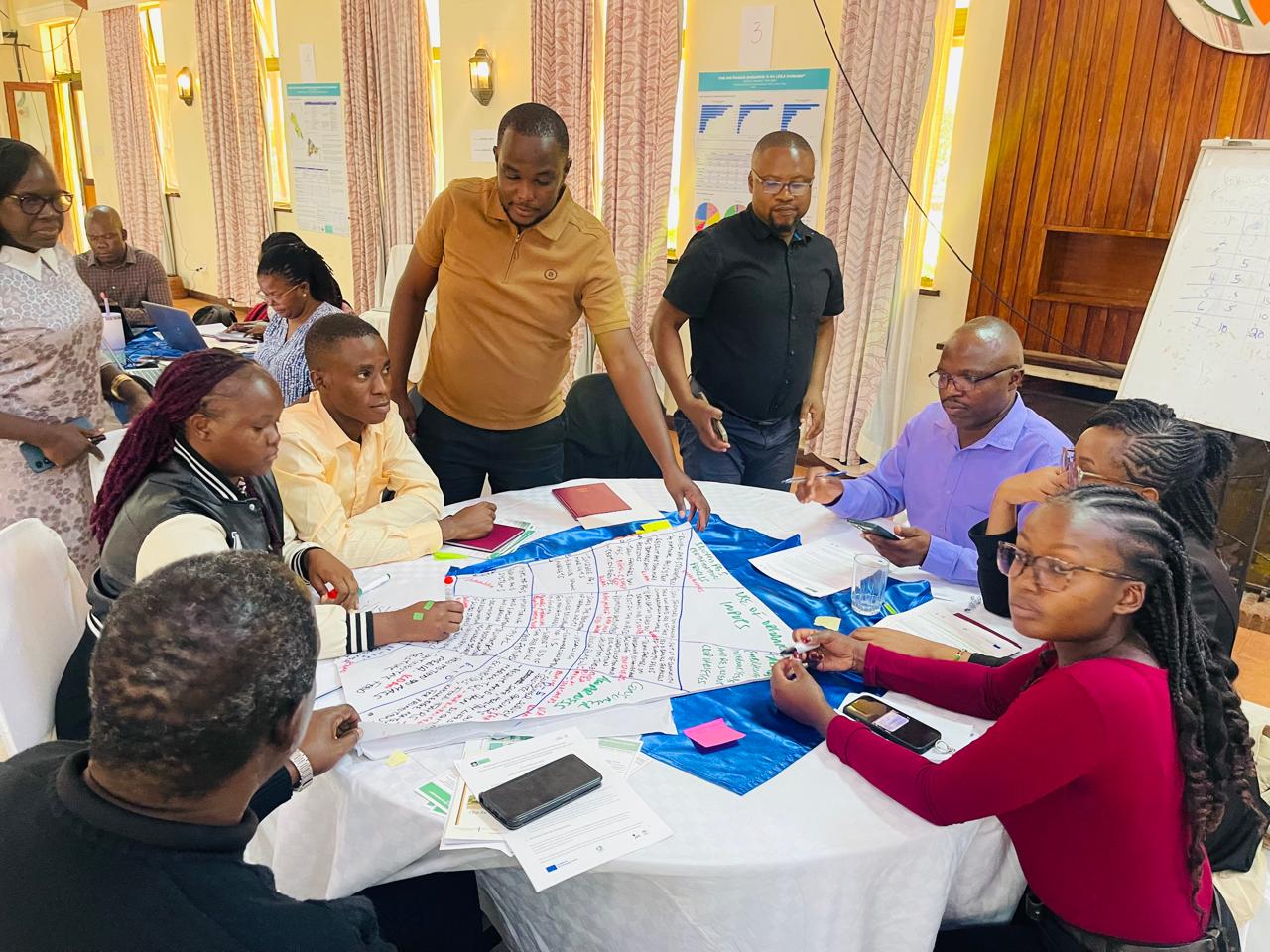
Co-developing a shared long-term vision
Participants agreed on a bold and inclusive vision:
A thriving multifunctional landscape supporting resilient ecosystems, diversified livelihoods, and sustainable food systems.
This vision reflects the urgent need to integrate environmental restoration, agricultural transformation, economic inclusion, and social resilience into one coherent framework.
Defining a 15-Year Transition Pathway
Day two centered on outlining a 15-year systemic transformation pathway built around four thematic pillars:
1. Environmental Transformation
-
Restoration of forests, rangelands, soils, and water systems
-
Strengthened policy support for ecosystem services and climate resilience
2. Agricultural Transformation
-
Increased and consistent production and consumption of safe, diverse, and nutritious food
-
Scaling agroecological practices
3. Economic Transformation
-
Development of inclusive and diversified green economies
-
Strengthened agroecological value chains
4. Social Transformation
-
Gender-equitable and socially inclusive communities
-
Increased community resilience
The transformation framework emphasized behavior change at multiple levels from farmers and consumers to policymakers and research institutions.
PGS Recognized as a Priority Mechanism
A major highlight for KOAN was the strong recognition of Participatory Guarantee Systems (PGS) as a core enabler of agroecological transformation.
PGS was identified as essential for:
-
Enabling trust-based local certification
-
Improving market access for smallholder farmers
-
Strengthening agroecological value chains
-
Accelerating adoption of organic and bio-inputs
Stakeholders also emphasized:
-
Shortening and strengthening the PGS certification process
-
Increasing consumer awareness and demand for agroecological produce
-
Supporting indigenous seeds and resilient crop varieties
-
Expanding tree planting and landscape restoration
-
Promoting sustainable waste management practices
-
Developing financial and non-financial incentives for agroecology practitioners
-
Strengthening collaboration between CGIAR research institutions and national research bodies to drive evidence-based policy reform
Importantly, PGS is expected to receive structured technical and institutional support under the 15-year transformation pathway positioning KOAN strategically within the process.
Monitoring, Evaluation and Learning (MEL)
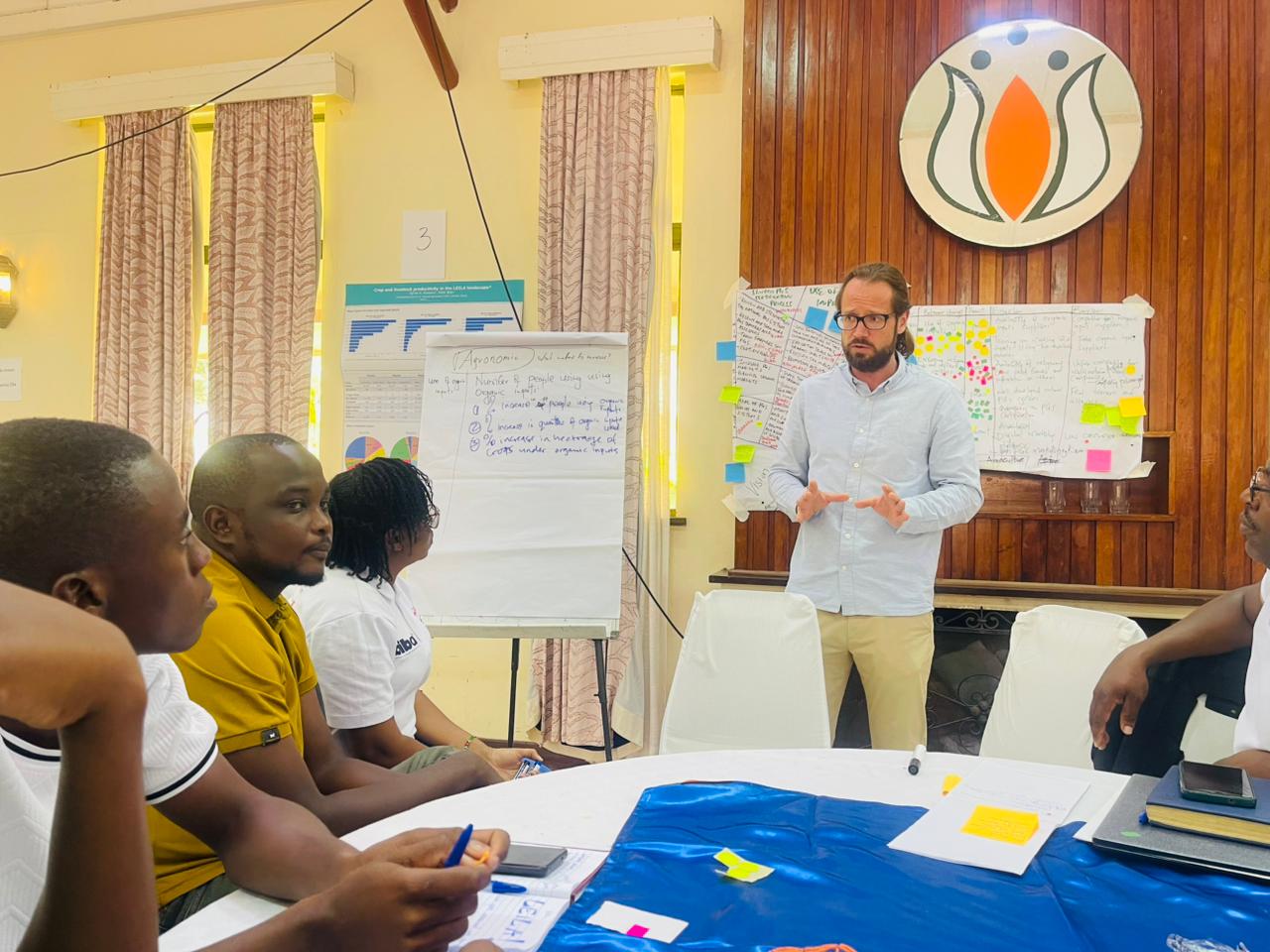
On day three, participants co-designed a participatory Monitoring, Evaluation and Learning (MEL) framework to:
-
Define strategic indicators aligned to the shared vision
-
Establish measurable outcomes under each thematic pillar
-
Set timelines for short-, medium-, and long-term progress
-
Strengthen accountability and adaptive management
The approach emphasizes continuous learning loops, participatory monitoring, and iterative refinement—ensuring that transformation remains responsive and evidence-driven.
Agreed Next Steps
The workshop concluded with clear action points:
-
Creation of a joint document repository for knowledge sharing
-
Establishment of an online Community of Practice (CoP)
-
Formation of a multi-stakeholder core team to steer the Vision-to-Action process
-
Bilateral engagements to refine actor-specific action plans
-
Circulation of the comprehensive workshop report for validation and additional inputs
The hosting team will be sharing the full workshop report shortly, and it will be circulated internally for review and technical contribution.
Conclusion
The Landscape Vision-to-Action Workshop successfully established a shared long-term vision and a structured roadmap toward resilient multifunctional landscapes. The recognition of Participatory Guarantee Systems as a cornerstone of behavior change and market trust marks an important milestone for agroecology in Kenya.
As the transition pathway unfolds, KOAN stands ready to contribute technical expertise, strengthen partnerships, and advance a more resilient, inclusive, and sustainable food system.
Prepared based on the field report by Benard Maina, Kiambu Field Coordinator.


Leave a Reply
Want to join the discussion?Feel free to contribute!