Strengthening Organic Value Chains: KOAN–Enviu Partnership Driving Chilli Production in Ithanga

A few months ago, organic farmers in Ithanga took a bold step from certification into structured markets through a chilli production contract. By end of April, we are pleased to share a progress update on this journey highlighting early milestones from the partnership between the Kenya Organic Agriculture Network (KOAN) and Enviu, and the growing engagement with Zawiri Foods.

Following the initial agreement for contract farming of Cayenne and Bird’s Eye chillies, the first quarter of the year focused on turning plans into action.

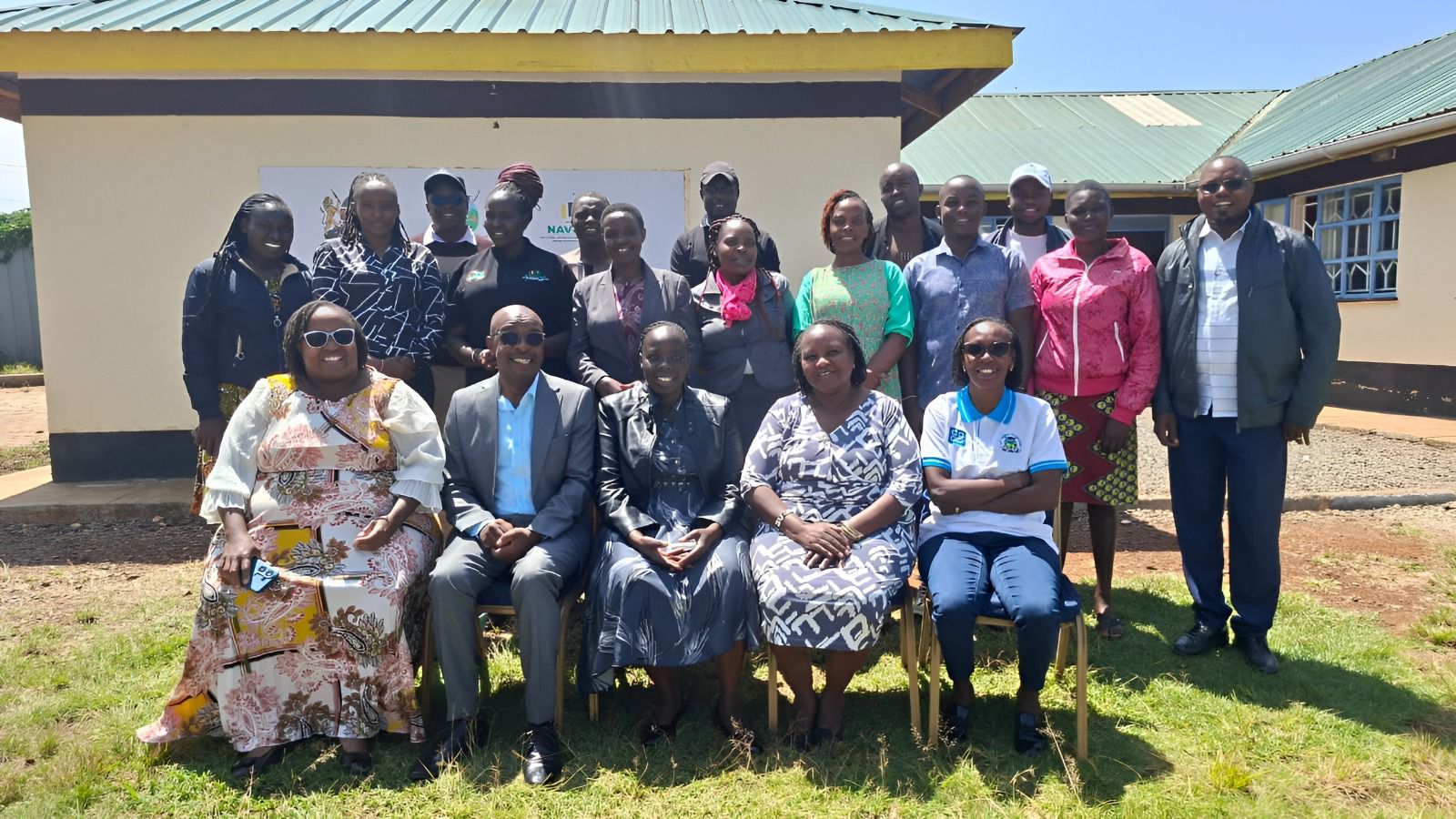
A total of 20 smallholder farmers were successfully onboarded in Ithanga, Murang’a marking the beginning of a structured supply relationship. This milestone was made possible through coordinated efforts, including field-level support and farmer mobilization.

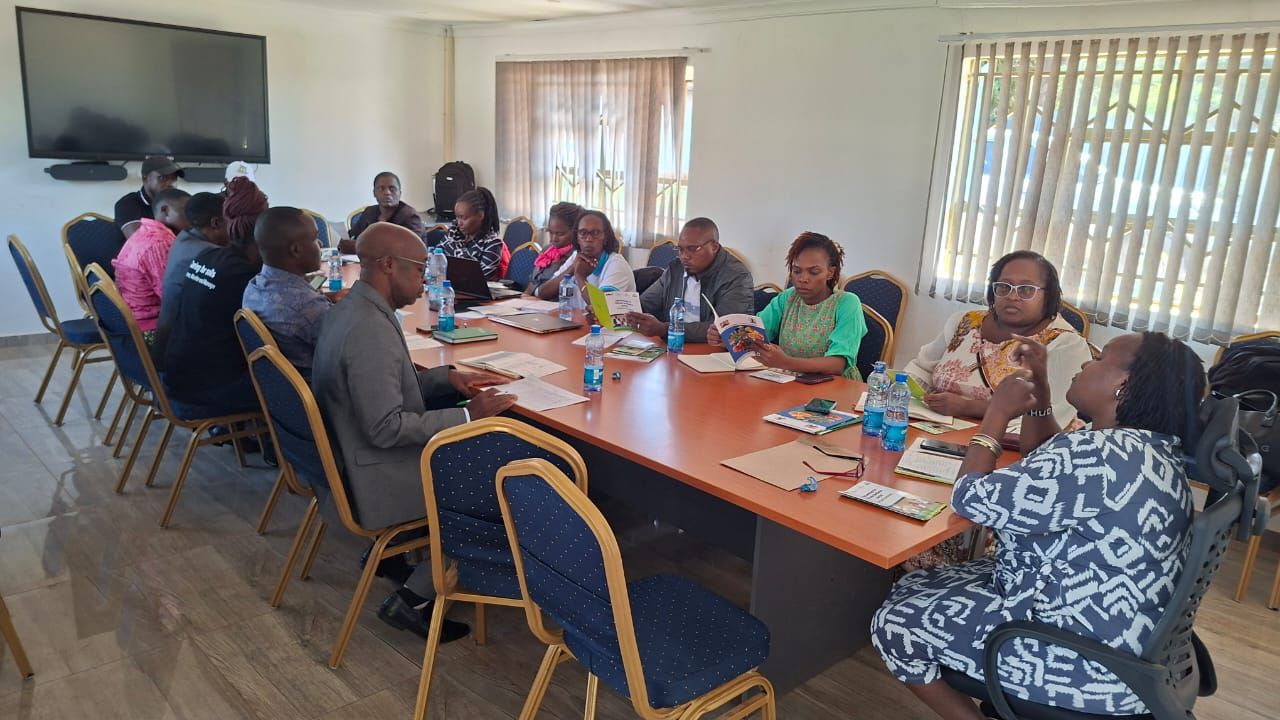
Over the past 40–50 days, partners have been actively on the ground, working closely with farmers to establish a strong production foundation.

Key Milestones Achieved
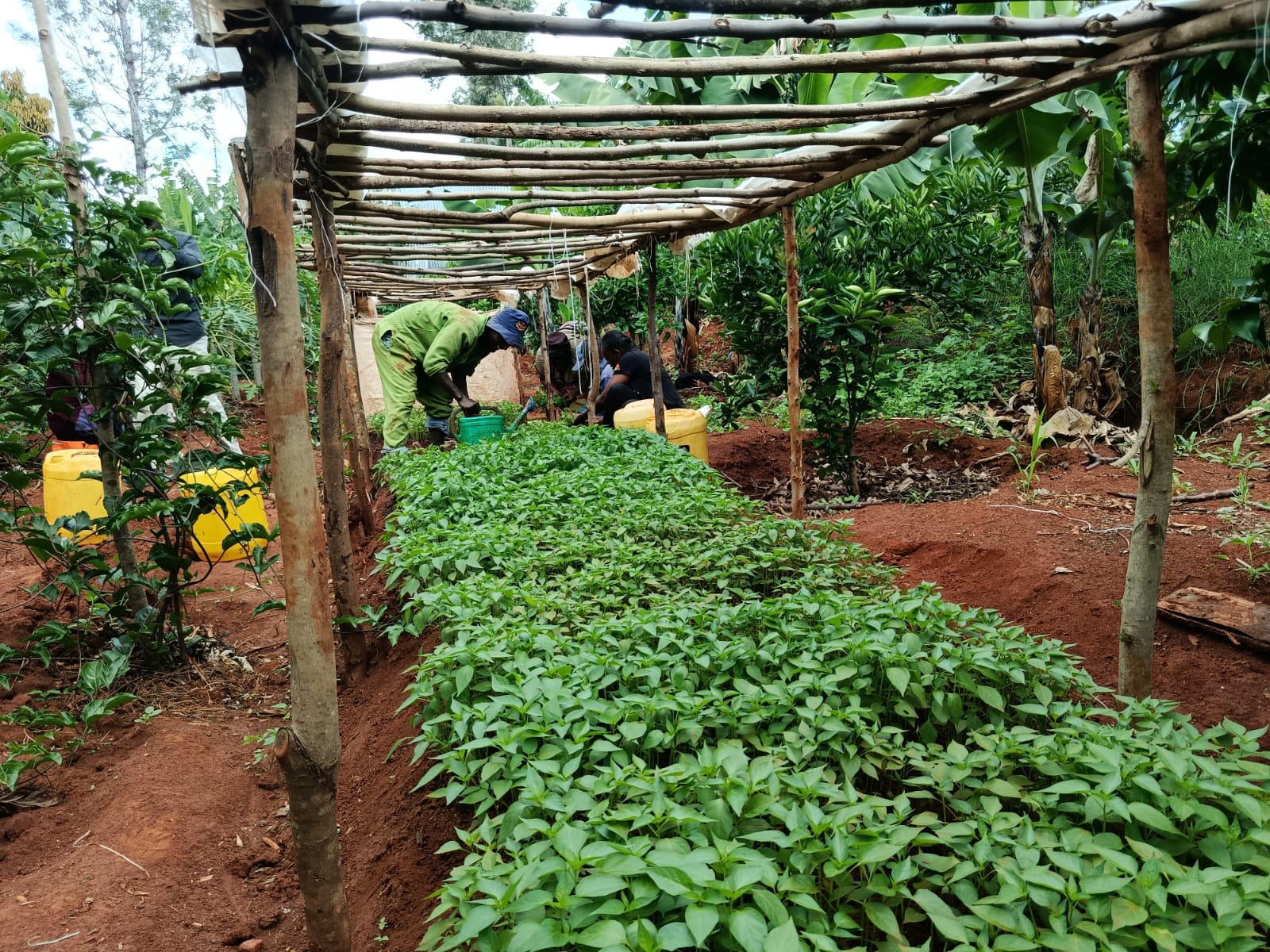
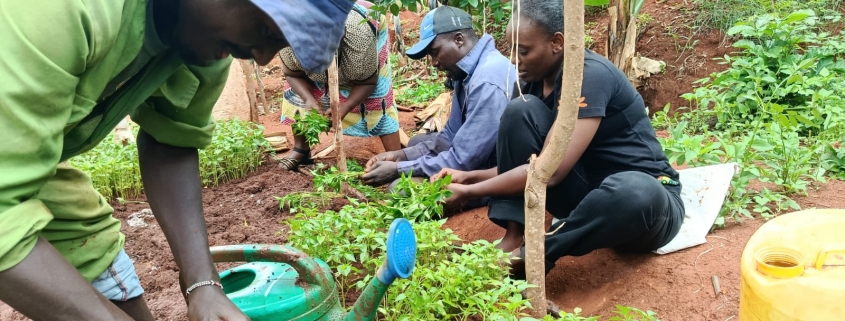
1. Nursery Establishment: A centralized nursery was set up at a lead farmer’s site, where seedling production was carefully managed from the ground up. This ensured quality, uniformity, and readiness for timely transplanting.

2. Agronomic Training: Farmers participated in a comprehensive training session introducing them to Zawiri Foods and the full chilli production cycle, including:

  • Land preparation
  • Transplanting techniques
  • Crop management
  • Pest and disease control
  • Harvesting practices

This training equipped farmers with practical, field-ready knowledge to meet both organic and market requirements.

3. Seedling Distribution: On 10th April 2026, approximately 15,000 chilli seedlings were distributed to farmers under the supervision of an agronomist. The process was supported by field teams, ensuring proper allocation and immediate planting readiness.

A key principle of this initiative is the commitment to regenerative organic agriculture.

Farmers were guided to adopt practices that prioritize:

  • Soil health and structure
  • Minimal soil disturbance
  • Use of biological and organic inputs only
  • Elimination of synthetic chemicals

These practices align with the standards of Kilimohai Organic and reinforce the long-term sustainability of both production systems and market credibility.

The Ithanga farmers’ journey began several years ago through capacity-building efforts led by partners such as YARD. Through continuous training and group organization, farmers strengthened their skills in organic farming and internal quality control systems.

In 2025, they achieved Participatory Guarantee System (PGS) certification under Kilimohai Organic, positioning them to access structured organic markets.

They are organized into three PGS groups:

  • Busara Self Help Group
  • Githaku Gia Kambi Mawe PGS Group
  • Triple G PGS Group

This group structure continues to play a critical role in coordination, quality assurance, and collective marketing.

Beyond the current production cycle, Zawiri Foods has committed to:

  • Providing continuous agronomic support
  • Walking with farmers throughout the growing season
  • Offtaking chilli produce as it becomes ready

This signals a shift from short-term market access to long-term, trust-based value chain partnerships.

The Role of Partnerships in Driving Impact

This progress reflects the strength of collaboration between: Farmer groups, Market actors, Technical support organizations, and Certification systems. It also highlights the importance of field-level coordination and facilitation in ensuring that opportunities translate into real outcomes for farmers.

Looking Ahead

With seedlings now in the ground and farmers actively managing their crops, the focus shifts to:

  • Monitoring crop performance
  • Maintaining organic and regenerative standards
  • Ensuring quality and consistency
  • Preparing for harvest and market delivery

There is strong optimism that this initiative will not only improve farmer incomes but also serve as a replicable model for organic market development in Kenya.

The Ithanga chilli initiative continues to demonstrate what is possible when certification, capacity building, and market linkages come together. From onboarding farmers to establishing nurseries, delivering training, and distributing seedlings, each milestone brings farmers closer to sustainable livelihoods. More importantly, it signals the beginning of a long-term relationship built on trust, shared value, and a commitment to regenerative organic agriculture. As the season progresses, the journey of Ithanga farmers will continue to inspire what inclusive, market-driven agroecology can achieve.
 

From Seed to Contract – Cayenne Chilli Farmers in Ithanga Take a Major Step Forward

The road to a thriving agricultural value chain is rarely short but in Ithanga, Murang’a, 40 days of patience, preparation, and coordination have led to a moment worth celebrating.

On 10th April 2026, Jackline Waithera, our Muranga Field Coordinator oversaw the distribution of Cayenne Chilli seedlings to smallholder farmers in Ithanga as part of a broader effort to connect local growers to formal, structured markets. What made this distribution especially meaningful wasn’t just the seedlings, it was everything that came with them.

Training, Contracts, and a Guaranteed Market

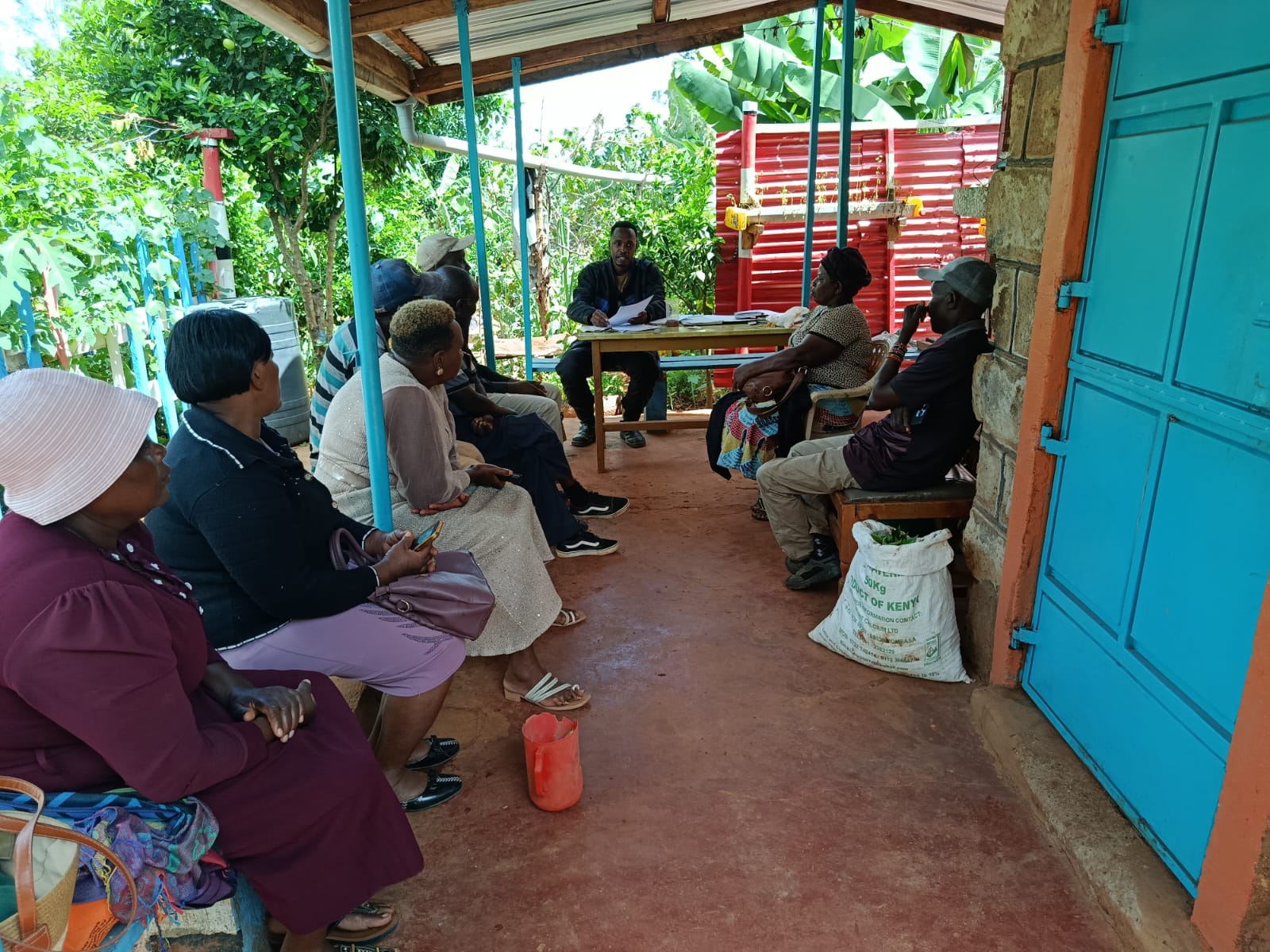
Before a single seedling was planted in the ground, farmers gathered to receive practical training from KOAN field coordinator. The sessions covered every stage of the farming cycle: land preparation, transplanting, crop management, pest control, and harvesting techniques. This knowledge is foundational, and it reflects KOAN’s belief that market linkage without agronomic support sets farmers up to fail.

The other landmark moment of the day was the signing of formal Offtake Agreements with Zawiri Foods, a Kenyan company based in Westlands, Nairobi County. These contracts formalise what many smallholder farmers have historically lacked: a guaranteed buyer.

Under the agreement, Zawiri Foods commits to purchasing the farmers’ regeneratively grown herbs and spices; including chillies, lemon grass, and oregano, subject to agreed quality standards. In turn, farmers commit to growing under regenerative agricultural practices, with Zawiri Foods providing ongoing technical support and field monitoring throughout the growing season.

A Model Built on Trust and Fairness

One of the standout features of this partnership is how it handles seedling costs. Farmers are not required to pay for inputs upfront in a way that strains household finances. Instead, the cost of seedlings is transparently recovered from the proceeds of the first harvest, before net earnings are distributed. This arrangement lowers the barrier to entry while maintaining shared accountability.

It is a model that takes farmers seriously, not as recipients of aid, but as entrepreneurs entering a business relationship.

The Farmers’ Response

When the seedlings changed hands and contracts were signed, the emotion in the atmosphere was palpable. Farmers expressed gratitude not just for the seedlings, but for the effort that KOAN has invested in negotiating market linkages on their behalf. In a sector where smallholder farmers are often left to find buyers on their own, this kind of organised support matters deeply.

“They are thankful to KOAN for the efforts of market linkages,” reported Jackline, KOAN’s Murang’a Field Coordinator, a simple sentence that carries the weight of real impact.

What Comes Next

The seedling distribution is a beginning, not an end. Zawiri Foods has committed to continued follow-ups and field monitoring, ensuring that farmers receive support throughout the entire growing season. KOAN will also remain engaged, tracking progress and addressing any challenges that emerge.

For the farming families of Ithanga, the Cayenne Chilli plant now represents more than a crop. It represents a contract, a relationship, and a path forward.

At KOAN, this is exactly what we work towards a Kenya where smallholder farmers don’t just grow food, but grow businesses, livelihoods, and futures.

Follow this journey as our Murang’a field team continues to share updates from the ground.

From Farm to Classroom: Five Partners Launch a Bold New Vision for Agroecology and School Feeding in Murang’a

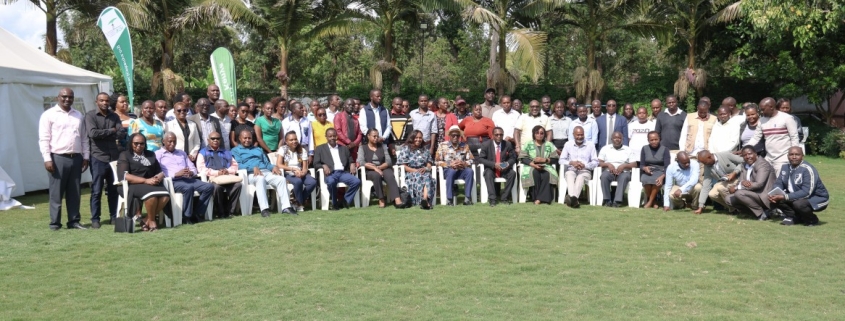
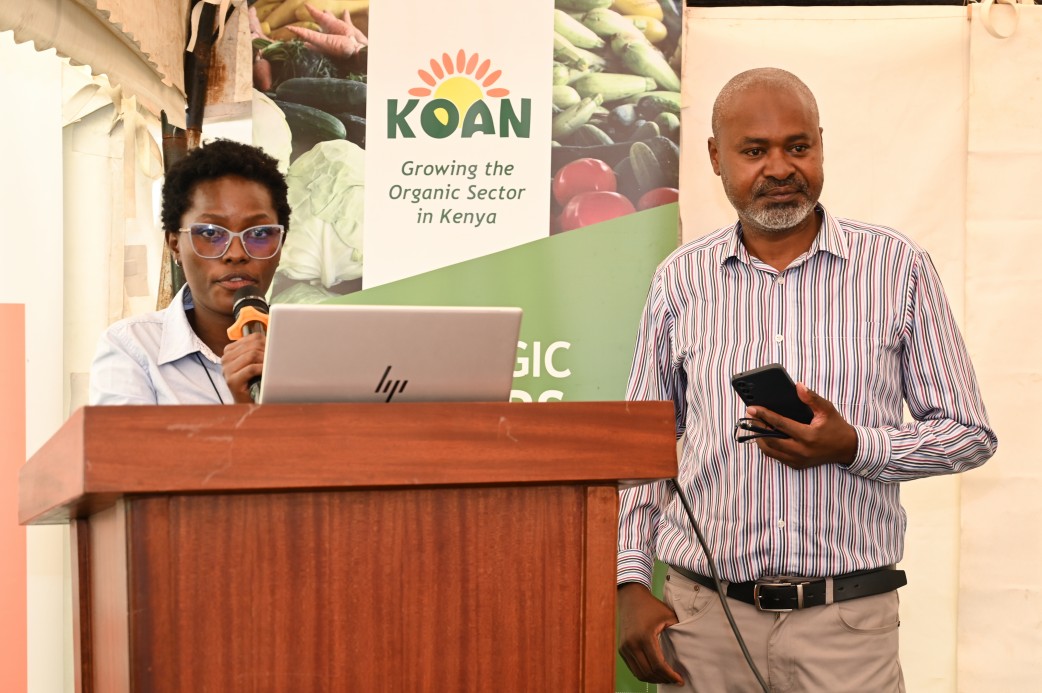
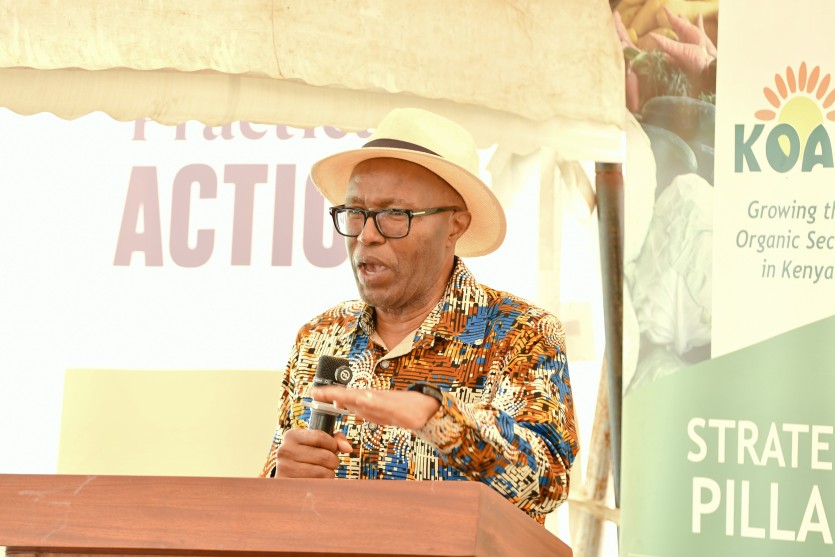
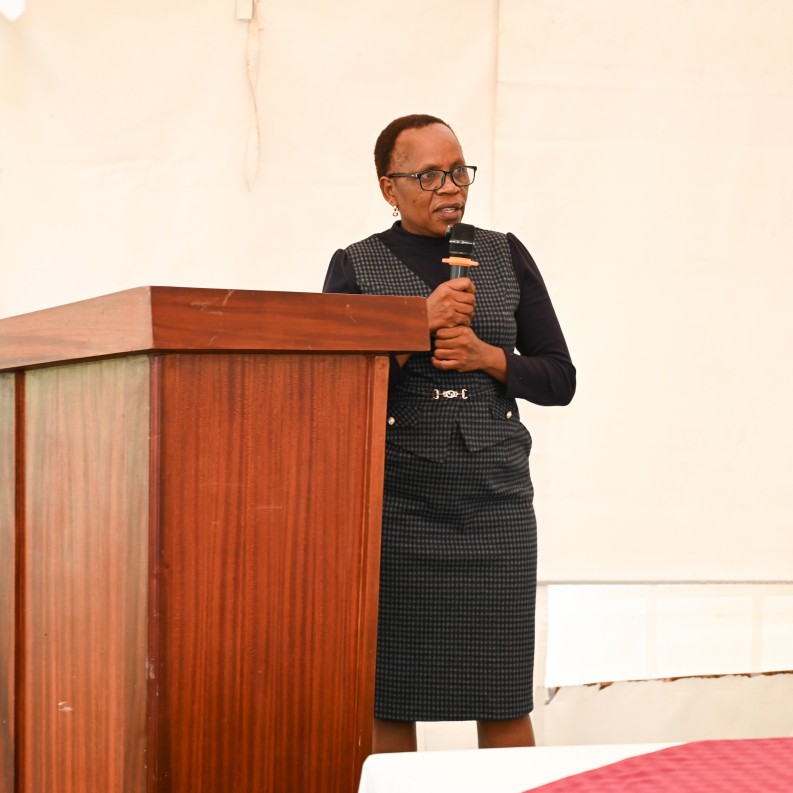
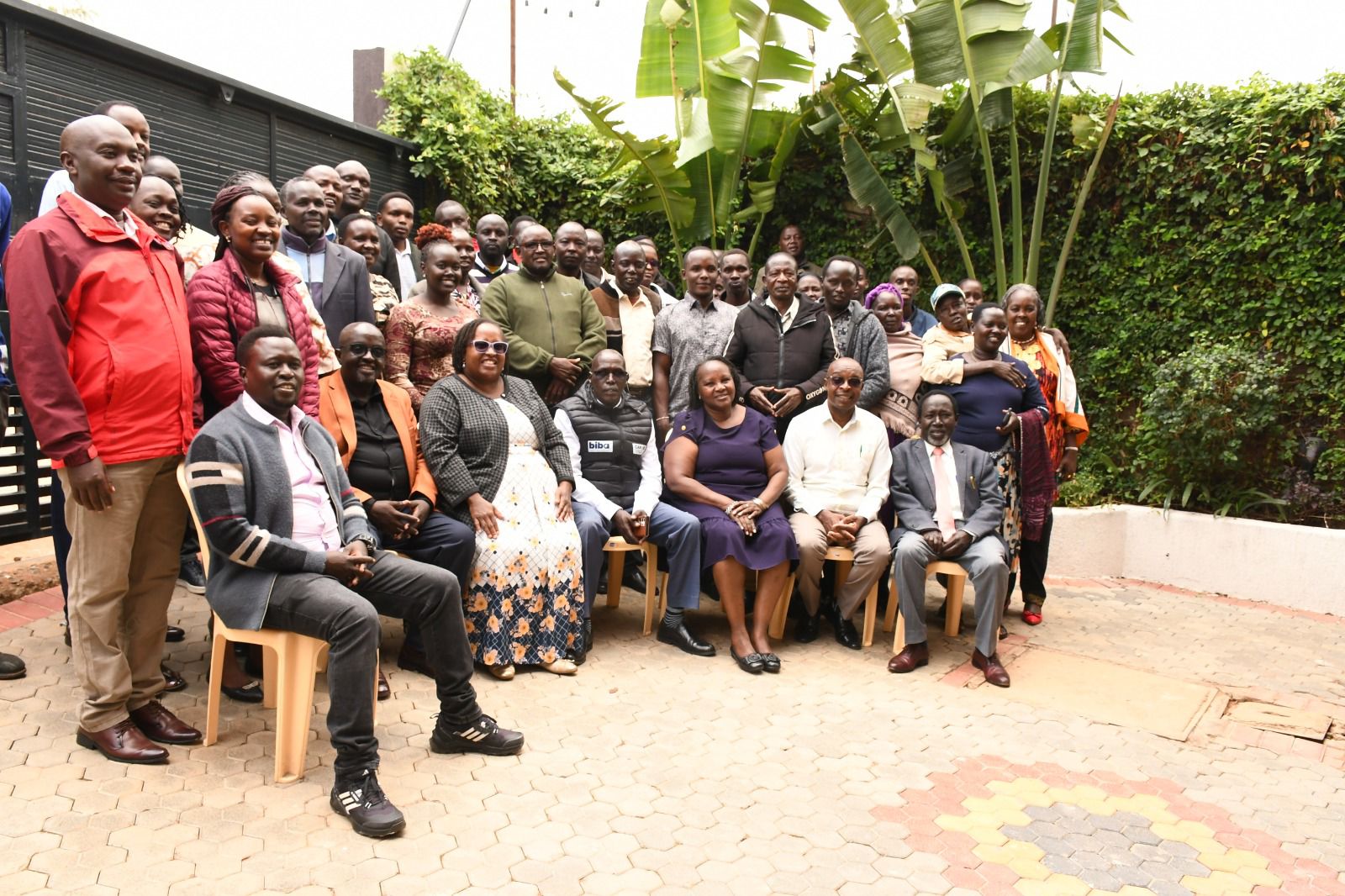
On April 1st, 2026, over 80 stakeholders gathered in Maragua to officially launch a landmark initiative that links regenerative farming directly to the plates of schoolchildren across Murang’a County  a bold step toward transforming Kenya’s food systems from the ground up.

When farmers grow food and children eat it grown right there in their own county, using methods that heal the soil and respect indigenous knowledge; something powerful happens. That was the animating vision behind the Joint Inception Meeting on Agroecology and School Feeding, convened on April 1st, 2026 at Mima Gardens in Maragua, Murang’a County.

Five implementing partners came together to officially launch their coordinated agroecology projects supported by The Rockefeller Foundation: Kenya Organic Agriculture Network (KOAN), Participatory Ecological Land Use Management (PELUM) Kenya, Institute for Culture and Ecology (ICE), Digital Green, and Practical Action. Together, they represent a rare convergence of grassroots farmer networks, digital innovation, policy expertise, and market systems thinking.

The meeting drew representation from development partners including The Rockefeller Foundation and Biovision Foundation, senior officials from Murang’a County Government, school heads, 4K Club patrons, and over a dozen civil society organizations, a testament to the breadth of coalition now aligned behind this vision.

The five projects at a glance

Each partner brings a distinct but complementary piece of the puzzle in a snapshot:

KOAN’s Kilimohai Blue Mark through a Participatory Guarantee System (PGS) is designed to certify agroecological produce in a way that is accessible to smallholder farmers without the prohibitive costs of third-party organic certification. Working across multiple sub-counties and wards in Murang’a, KOAN aims to organize at least 800 farmers into 40 PGS groups, connecting them to schools, local markets, and other off-takers. The downstream impact: 10,000 school children with access to nutritious, traceable meals.

PELUM Kenya is establishing 30 agroecological school kitchen gardens in public primary schools  each equipped with water harvesting systems to ensure year-round production. Their approach goes beyond food: it positions schools as learning hubs where 4K clubs, teachers, and surrounding communities gain hands-on experience in agroecological farming and nutrition. Targeting 1,500 pupils and 2,700 smallholder farmers across 6 sub-counties and 15 wards, PELUM is building the local food ecosystem that makes sustainable school feeding possible.

Digital Green brings cutting-edge technology to the farm gate. Their FarmerChat platform; an AI-powered advisory tool delivering real-time, climate-smart guidance via text, video, and voice, will be onboarded to 15,000 smallholder farmers in Murang’a (with at least 35% women). The goal is not just access to information: 60% of active users are expected to take measurable regenerative actions such as soil health improvement, crop diversification, or integrated pest management. FarmerChat will also actively link producers to school meal buyers, closing the loop between advisory and procurement.

Practical Action, in partnership with KOAN and the Research Institute of Organic Agriculture (FiBL), is anchoring the initiative in market systems development. Using the Participatory Market Systems Development (PMSD) approach, they will facilitate multi-stakeholder platforms connecting farmers, county government, and the private sector with particular attention to inclusion of women and youth. Their work on consumer awareness and behavior change is critical: sustainable food systems need buyers who value and demand what regenerative farmers produce.

ICE plays a foundational if less visible role. By strengthening the governance of the Agroecology Multi-Stakeholder Platform (AE-MSP), building its resource mobilization capacity, and operationalizing its Monitoring, Evaluation, and Learning system, ICE ensures that this coalition of partners does not just launch well but learns and adapts together over time.

The presence and engagement of multiple County Executive Committee Members covering Devolution, Education, Water and Environment signals that Murang’a County Government is not merely a bystander. The county’s school feeding programme provides the institutional backbone that gives this initiative scale, and the integration of agroecological supply chains into county procurement could become a model for counties across Kenya.

What comes next

The inception meeting concluded with agreed action points, a partnership framework, and a shared implementation roadmap. Stakeholders aligned on coordination structures and the complementary roles each partner will play laying the groundwork for a genuinely integrated food system transformation.

This is not another pilot destined for a shelf. It is a coordinated, multi-partner effort with clear targets, dedicated funding, and a county government invested in seeing it succeed. As regenerative agriculture moves from concept to practice in the farms of Murang’a, and as those farms begin supplying the schools where the next generation is growing up, the vision articulated at Mima Gardens is already taking root.

A New Chapter for Organic Farming in Kirinyaga: KOAN Welcomes the A4CR Partnership

The signing of the A4CR MoU with the County Government of Kirinyaga marks a milestone moment; and for KOAN, it is the deepening of work we have been quietly, steadily building for years.

We are deeply encouraged by the official signing of the Memorandum of Understanding between BIBA Kenya and the County Government of Kirinyaga, bringing together Resources Oriented Development Initiatives (RODI Kenya), Kenya Organic Agriculture Network (KOAN), and Effective IPM Association (EIPMA) under the Agroecology for Climate Resilience (A4CR) project. This coalition, united by a shared commitment to transforming how we farm and how we protect our land, could not have come at a more important time.

At KOAN, we have been working in Kirinyaga County for some time, walking alongside smallholder farmers, supporting the adoption of Participatory Guarantee Systems (PGS), hosting Agroecology Symposia, and building local capacity to reduce dependence on Highly Hazardous Pesticides (HHPs). We know this land, we know these farmers, and we know what is at stake. That is precisely why welcoming these partners, each with deep expertise and shared values fills us with genuine optimism.

A coalition rooted in purpose

Together, we bring complementary strengths. Where KOAN has been developing the organic certification infrastructure through PGS and empowering farmers to produce verified organic produce, our partners strengthen the ecosystem around us from integrated pest management to policy advocacy and community-level development. This MoU does not just formalise cooperation; it amplifies what is already working on the ground.

Building on what we have already started

Our work in Kirinyaga did not begin with this MoU. KOAN has been a consistent presence in the county, facilitating farmer training, supporting the development of Participatory Guarantee Systems, and convening spaces like the Agroecology Symposium where knowledge flows freely between farmers, researchers, and advocates. We have seen what becomes possible when a farmer understands the soil beneath their feet as a living system to be nurtured rather than mined.

  • Supporting the development and rollout of Participatory Guarantee Systems (PGS) for organic produce verification
  • Hosting and participating in the Kirinyaga Agroecology Symposium to strengthen farmer knowledge networks
  • Actively working to phase out Highly Hazardous Pesticides (HHPs) through farmer training and alternative practice adoption
  • Advocating for county-level policy frameworks that recognise and protect agroecological farming

The A4CR project which includes support for the development of the Kirinyaga County Agroecology Policy will now formalise and accelerate what we have been building informally. A county policy that enshrines agroecology as a strategic priority will protect these gains for future generations of farmers.

What this means for Kirinyaga’s farmers

For the smallholder farmers we serve, this partnership is concrete and meaningful. It means more structured access to knowledge, a stronger network of support, and a clearer pathway toward producing organic food that commands fair value in the market. It means that the soil health and biodiversity work we have championed is now backed by county government commitment. It means that the shift away from HHPs which protect both farmer health and the integrity of the land will be supported, not just encouraged.

We believe deeply that agroecology is not a compromise. It is a higher form of farming one that works with ecological systems rather than against them, and one that builds genuine resilience in the face of a changing climate. Kirinyaga’s farmers deserve that resilience, and this partnership is one of the most credible frameworks we have seen to deliver it.

KOAN is proud to stand alongside BIBA Kenya, RODI Kenya, EIPMA, and the County Government of Kirinyaga in this commitment. The work ahead is significant but the foundation we have collectively laid makes us confident that it is entirely achievable.

“Together, we are not just signing an agreement. We are making a promise — to the land, to the farmers, and to the generations who will inherit what we cultivate today.”– Esther Bett (Executive Director RODI Kenya and KOAN Treasurer)

Agroecology for Climate Resilience Project Kicks Off Across Three Counties

A Strong Foundation for Climate-Resilient Food Systems

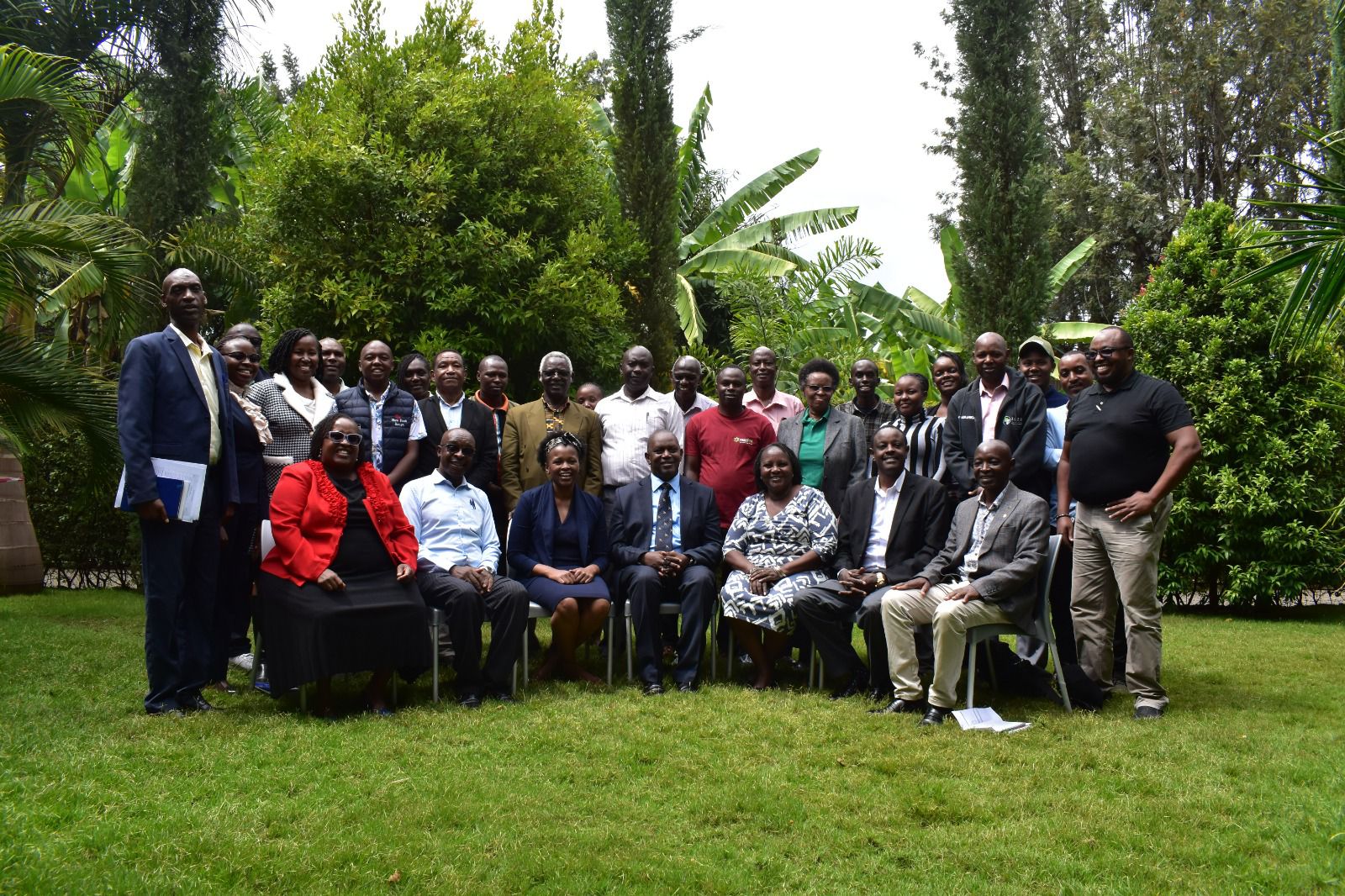
February 2026 marked an important milestone in advancing agroecology in Kenya with the official inception of the Agroecology for Climate Resilience (A4CR) Project across three counties: Nandi, West Pokot, and Kirinyaga.

Led by Biodiversity and Biosafety Association of Kenya (BIBA Kenya), and implemented in partnership with Kenya Organic Agriculture Network (KOAN), Resource Oriented Development Initiative (RODI Kenya), and Effective Integrated Pest Management Association (EIPMA), the project sets out to strengthen climate resilience, reduce reliance on Highly Hazardous Pesticides (HHPs), and build sustainable agroecological markets.

Through a series of high-level inception and stakeholder meetings, A4CR laid the groundwork for coordinated, county-led transformation of food systems.


Nandi County: Launching a Transformative Agenda

Mid-February, BIBA Kenya convened a forward-looking inception meeting with the County Government of Nandi to officially launch A4CR in the county.

The meeting was more than ceremonial, it was a shared commitment to:

  • Restoring soil health

  • Strengthening farmer resilience

  • Rebuilding food systems that prioritize communities

  • Upscaling and out-scaling agroecology

Discussions were practical and action-oriented, focusing on clear roles, coordinated implementation, and long-term impact pathways. The strong leadership demonstrated by Nandi County signals meaningful progress toward food sovereignty and ecological regeneration.

Together, partners committed to empowering farmers especially women and youth while anchoring agroecological principles in county systems.

West Pokot County: Formalizing Commitment Through MoU Signing

On 24th February, a major milestone was achieved in West Pokot County with the official signing of a Memorandum of Understanding (MoU) between BIBA Kenya and the Government of West Pokot County.

The signing formalized collaboration toward sustainable agriculture and improved farmer livelihoods under the A4CR framework.

Following the ceremony, stakeholders convened at Sophie’s Hotel for the A4CR Stakeholders Forum. The meeting brought together: KOAN, RODI Kenya, EIPMA, and The County Department of Agriculture.

The forum focused on aligning implementation strategies, identifying areas of synergy, and strengthening coordination mechanisms for agroecology promotion.


     The energy in the room reflected a shared understanding: building climate resilience requires collective action, institutional commitment, and science-based solutions rooted in farmer realities.

Kirinyaga County: Institutionalizing Agroecology

On 26th February, the Kirinyaga County Agroecology Multi-Stakeholders Forum Strategy Development Session marked another critical step in embedding agroecology into county systems.

Convened under the leadership of BIBA Kenya, in collaboration with partners, the forum brought together county leadership, technical officers, and development actors to:

  • Align policy priorities

  • Strengthen coordination mechanisms

  • Anchor agroecology in planning and budgeting frameworks

  • Define long-term sustainability pathways

The engagement also marked the formal inception of A4CR in Kirinyaga County, positioning agroecology not as a standalone project, but as a structured, institutionalized approach within county governance.

Special recognition was given to Dr. John Gachara, County Executive Committee Member for Agriculture, for his leadership and commitment in championing agroecology in the county.

What A4CR Aims to Achieve

Across the three counties, A4CR is advancing a comprehensive agenda to:

  • Reduce reliance on Highly Hazardous Pesticides

  • Promote farmer adoption of agroecological practices

  • Restore soils and biodiversity

  • Generate evidence to inform policy action

  • Build sustainable, climate-resilient markets

  • Strengthen inclusive participation of women and youth

The project recognizes that climate resilience is not only about adapting to changing weather patterns it is about transforming food systems to be ecologically regenerative, socially inclusive, and economically viable.

A Collaborative Path Forward

The inception meetings demonstrated strong political goodwill, technical alignment, and partnership synergy. By grounding agroecology within county systems from policy to budgeting and implementation; A4CR is laying the foundation for sustained, long-term impact.

For KOAN, this collaboration strengthens our commitment to:

  • Promoting agroecological standards and market systems

  • Supporting farmer-led certification approaches

  • Advancing food security while protecting biodiversity

  • Building resilient value chains

The journey has begun. Across Nandi, West Pokot, and Kirinyaga, partners are building momentum for agroecology adoption restoring ecosystems, empowering communities, and shaping a healthier, climate-resilient future.

Together, we are building resilient food systems for generations to come.

KOAN at the Landscape Vision to Action (LV2A) Workshop: Advancing a 15-Year Agroecological Transition Pathway

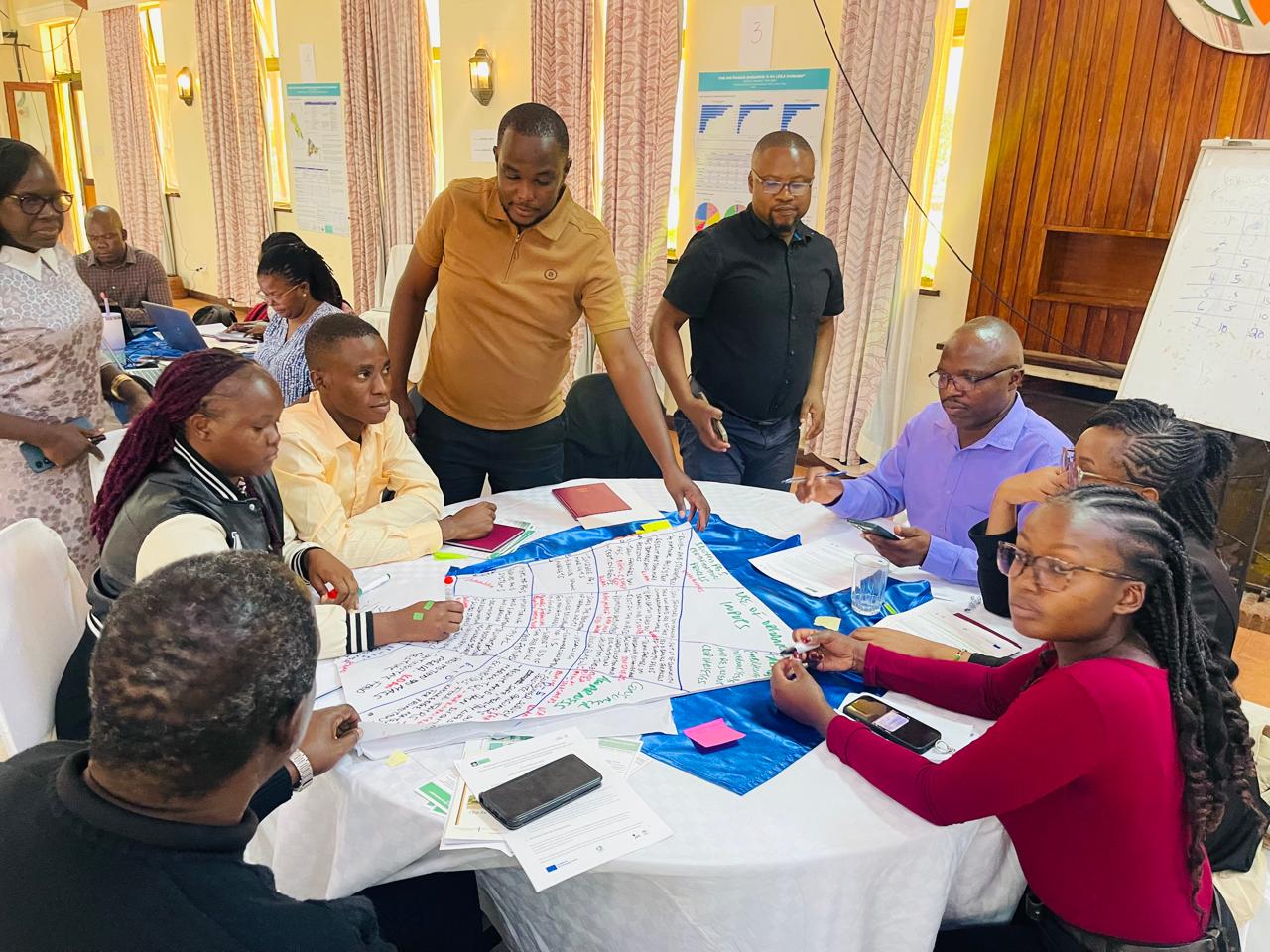
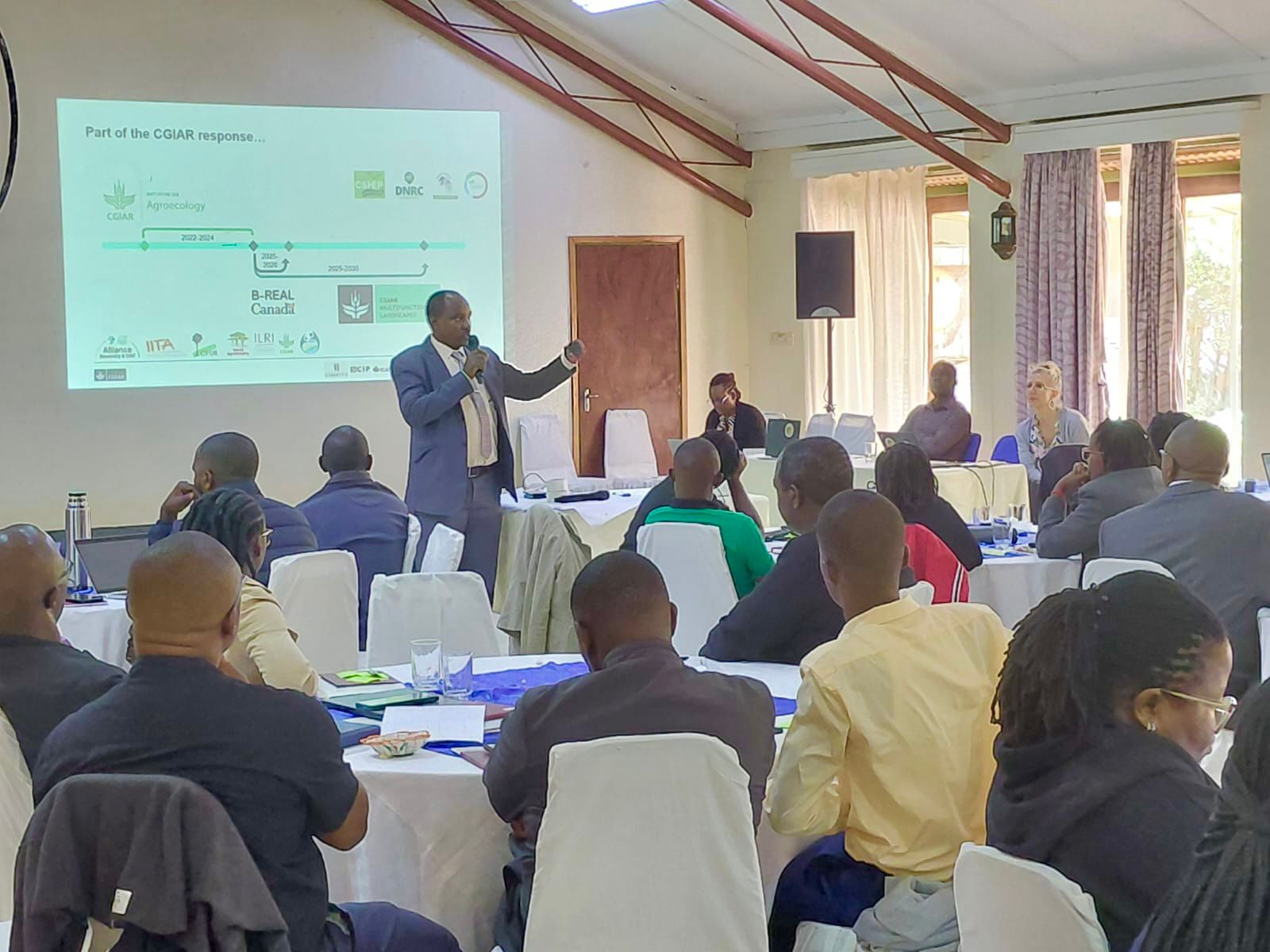
Benard Maina, our Kiambu Field Coordinator, represented Kenya Organic Agriculture Network (KOAN) at the Landscape Vision-to-Action (LV2A) Workshop held from 17th to 19th February 2026 at the Jumuia Conference and Country Home in Limuru.

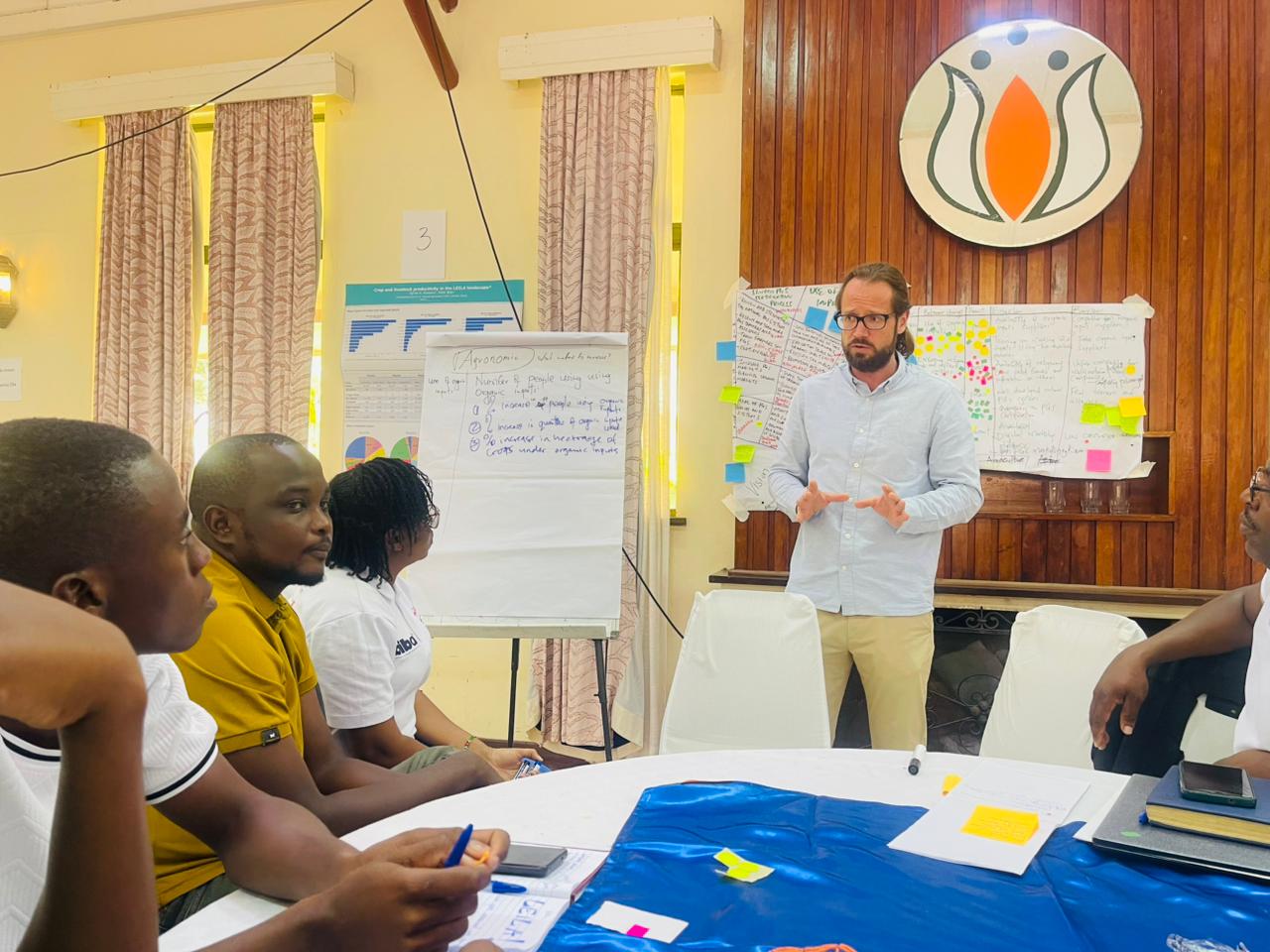
The workshop was convened under the Biodiversity for Resilient Ecosystems in Agricultural Landscapes (B-REAL) Project and the CGIAR Science Program on Multifunctional Landscapes. It brought together researchers, government representatives, NGOs, farmer groups, and private sector actors to co-develop a shared landscape vision and define a long-term transition pathway toward sustainable transformation.

Notably, Participatory Guarantee Systems (PGS) featured prominently as a priority behavior change mechanism within the 15-year transition framework strongly aligning with KOAN’s strategic mandate.

A Shared Vision for Multifunctional Landscapes

The focal landscape under discussion covers Ndeiya (Kiambu County), extending south into Kajiado County and across to Makueni County.

Day one of the workshop focused on:

  • Validating research findings from the Agroecology Initiative

  • Reviewing and refining the landscape context assessment

  • Co-developing a shared long-term vision

Participants agreed on a bold and inclusive vision:

A thriving multifunctional landscape supporting resilient ecosystems, diversified livelihoods, and sustainable food systems.

This vision reflects the urgent need to integrate environmental restoration, agricultural transformation, economic inclusion, and social resilience into one coherent framework.

Defining a 15-Year Transition Pathway

Day two centered on outlining a 15-year systemic transformation pathway built around four thematic pillars:

1. Environmental Transformation

  • Restoration of forests, rangelands, soils, and water systems

  • Strengthened policy support for ecosystem services and climate resilience

2. Agricultural Transformation

  • Increased and consistent production and consumption of safe, diverse, and nutritious food

  • Scaling agroecological practices

3. Economic Transformation

  • Development of inclusive and diversified green economies

  • Strengthened agroecological value chains

4. Social Transformation

  • Gender-equitable and socially inclusive communities

  • Increased community resilience

The transformation framework emphasized behavior change at multiple levels from farmers and consumers to policymakers and research institutions.

PGS Recognized as a Priority Mechanism

A major highlight for KOAN was the strong recognition of Participatory Guarantee Systems (PGS) as a core enabler of agroecological transformation.

PGS was identified as essential for:

  • Enabling trust-based local certification

  • Improving market access for smallholder farmers

  • Strengthening agroecological value chains

  • Accelerating adoption of organic and bio-inputs

Stakeholders also emphasized:

  • Shortening and strengthening the PGS certification process

  • Increasing consumer awareness and demand for agroecological produce

  • Supporting indigenous seeds and resilient crop varieties

  • Expanding tree planting and landscape restoration

  • Promoting sustainable waste management practices

  • Developing financial and non-financial incentives for agroecology practitioners

  • Strengthening collaboration between CGIAR research institutions and national research bodies to drive evidence-based policy reform

Importantly, PGS is expected to receive structured technical and institutional support under the 15-year transformation pathway positioning KOAN strategically within the process.

Monitoring, Evaluation and Learning (MEL)

On day three, participants co-designed a participatory Monitoring, Evaluation and Learning (MEL) framework to:

  • Define strategic indicators aligned to the shared vision

  • Establish measurable outcomes under each thematic pillar

  • Set timelines for short-, medium-, and long-term progress

  • Strengthen accountability and adaptive management

The approach emphasizes continuous learning loops, participatory monitoring, and iterative refinement—ensuring that transformation remains responsive and evidence-driven.

Agreed Next Steps

The workshop concluded with clear action points:

  1. Creation of a joint document repository for knowledge sharing

  2. Establishment of an online Community of Practice (CoP)

  3. Formation of a multi-stakeholder core team to steer the Vision-to-Action process

  4. Bilateral engagements to refine actor-specific action plans

  5. Circulation of the comprehensive workshop report for validation and additional inputs

The hosting team will be sharing the full workshop report shortly, and it will be circulated internally for review and technical contribution.

Conclusion

The Landscape Vision-to-Action Workshop successfully established a shared long-term vision and a structured roadmap toward resilient multifunctional landscapes. The recognition of Participatory Guarantee Systems as a cornerstone of behavior change and market trust marks an important milestone for agroecology in Kenya.

As the transition pathway unfolds, KOAN stands ready to contribute technical expertise, strengthen partnerships, and advance a more resilient, inclusive, and sustainable food system.

Prepared based on the field report by Benard Maina, Kiambu Field Coordinator.

From Certification to Contracts: Ithanga Organic Farmers Secure New Market Opportunity in Chilli Production

On Friday, 20th February 2026 marked a significant milestone for organic farmers in Ithanga, as they took an important step from certification to commercial market engagement. A meeting convened between farmers, market actor Enviu, and support partners including Kenya Organic Agriculture Network (KOAN) and YARD resulted in a formal agreement for the production of organic chillies under a contract farming arrangement. This opportunity represents more than just a new crop it is the outcome of years of investment in farmer capacity, organic certification, and building trust between producers and markets.

During the meeting, the trader expressed strong interest in sourcing Cayenne and Bird’s Eye chillies, two high-value crops with growing demand in local and export markets. Discussions were comprehensive, covering key elements necessary for successful and sustainable market engagement, including: production requirements and organic compliance, pricing structures and payment expectations, expected volumes and phased scale-up, planting calendars to ensure consistent supply, logistics and aggregation systems.

The outcome was a mutual agreement to initiate contract farming, providing farmers with a structured, reliable market and clear production targets. This model reduces market uncertainty for farmers while ensuring buyers receive consistent, high-quality organic produce.

The chilli production initiative will begin with 22 farmers, with plans to gradually expand as capacity and market demand grow. Importantly, the farmers are well-prepared to start immediately. They already have:

  • Adequate land allocated for chilli production
  • Reliable access to water
  • Signed production contracts
  • Ongoing technical support from an agronomist, with field visits beginning this week

This level of preparedness reflects both farmer commitment and the strength of the support systems built around them.

The Ithanga farmers’ readiness did not happen overnight. Their journey began in 2019 under the stewardship of YARD, which introduced them to organic and agroecological farming practices. Since then, farmers have undergone extensive training covering: soil fertility management, natural pest and disease control, organic production standards, and group organization and internal quality control.

In 2025, their efforts culminated in receiving Participatory Guarantee System (PGS) certification under the Kilimohai Organic label. This certification formally recognized their compliance with organic standards and positioned them to access premium and structured markets. The farmers are organized into three PGS groups: Busara PGS Group, Githaku Gia Kambi Mawe PGS group, and Triple G PGS Group all located in Kakuzi area, Ithanga Ward, Gatanga Sub-County, Murang’a County. These groups provide a strong foundation for collective production, quality assurance, and aggregation.

Contract farming provides several critical benefits for smallholder organic farmers:

  1. Assured Market Access: Farmers produce with confidence, knowing there is a committed buyer.
  2. Predictable Income: Pre-agreed pricing structures reduce market volatility and income uncertainty.
  3. Improved Planning: Clear planting calendars and volume targets help farmers plan efficiently.
  4. Technical Support: Ongoing agronomic support improves productivity and quality.

For Ithanga farmers, this represents a transition from opportunistic selling to structured commercial production.

Farmers expressed deep appreciation for the role played by partner organizations in facilitating the opportunity. For many, this contract validates years of commitment to organic farming practices, which often require patience, discipline, and faith in long-term benefits. Beyond income, the opportunity strengthens farmers’ confidence in organic agriculture as a viable and profitable livelihood pathway.

This successful linkage demonstrates the importance of coordinated ecosystem support involving: farmer organizations, certification systems, market actors, and technical support providers.  It highlights how organic certification alone is not enough market connections are essential to unlock economic value for farmers. The Ithanga chilli initiative provides a replicable model for building inclusive organic value chains that benefit farmers, buyers, and consumers alike.

With production now beginning, the focus will be on: supporting farmers through the first production cycle, ensuring quality and consistency, strengthening aggregation and logistics systems, and gradually expanding farmer participation.  As more farmers join, the initiative has the potential to significantly improve household incomes while strengthening Kenya’s organic chilli supply.

The Ithanga farmers’ journey from organic training to certification and now to contract farming demonstrates what is possible when farmers are supported holistically. This milestone is not just about chillies. It is about: opportunity, empowerment, market inclusion, and the growing strength of Kenya’s organic sector. With the first crop now underway, Ithanga farmers are planting more than chillies they are planting the seeds of sustainable prosperity.

INOGOF Organic Farmers Market Moves to a New Home in Garden Estate

INOGOF Organic Farmers Market Moves to a New Home in Garden Estate

The Innovative Organic Group of Farmers (INOGOF) is excited to announce the relocation of the INOGOF Organic Farmers Market to a new and vibrant venue at Redspot Garden Restaurant, Garden Estate. This move marks an important milestone in the market’s journey and reflects the group’s continued growth, resilience, and commitment to bringing certified organic products closer to consumers.

The new venue offers a serene garden setting that aligns well with the values of organic agriculture, healthy living, and community engagement. While the market currently operates under natural tree shade, plans are underway to further improve the space to ensure comfort during all seasons.

About INOGOF

The Innovative Organic Group of Farmers (INOGOF) is a dynamic collective of sixteen (16) dedicated organic farmers cultivating approximately twenty-five (25) acres of land. The group produces a wide range of certified organic products, including vegetables, fruits, cereals, herbs, potatoes, bananas, arrow roots, cassava, as well as fish, indigenous chicken, dairy, and goat products.

Established over ten years ago, the INOGOF Organic Farmers Market began modestly with just two tables at Funzone Restaurant. Over the years, it has steadily grown in both product diversity and sales volumes, driven by increasing consumer awareness of organic foods and the farmers’ continuous learning in organic production and value addition.

INOGOF envisions a more inclusive and empowering organic system that strengthens farmer livelihoods while transforming the organic agriculture landscape in Kenya. The group has proudly held the Kilimohai Organic Certification under the Participatory Guarantee Systems (PGS) since 2015, assuring consumers of credible, locally verified organic standards.

What Shoppers Can Expect at the New Location

The INOGOF Organic Farmers Market remains a one-stop destination for fresh, seasonal, and value-added organic products sourced directly from farmers. Shoppers can expect:

  • A wide variety of fresh vegetables, including leafy greens, cabbages, carrots, beetroot, and indigenous vegetables.
  • Fruits and value-added products such as mangoes, avocados, bananas, dragon fruit, kombucha, smoothies, and tomato products.
  • Animal-sourced products, including indigenous eggs and chicken, fresh cow and goat milk, kefir, mala, and assorted yogurts.
  • Staple foods and carbohydrates, including rice, maize flour, beans, sweet potatoes, cassava, arrow roots, and green bananas.
  • Natural wellness and beauty products, essential oils, herbal teas, honey, skincare, and haircare products.
  • Organic farm inputs, including liquid fertilizers and pesticides.

This diversity reflects INOGOF’s strong focus on nutrition, sustainability, and value addition across the organic value chain.

Visit the INOGOF Organic Farmers Market

Consumers, partners, and organic food enthusiasts are warmly invited to visit the INOGOF Organic Farmers Market at its new location:

  • Venue: Redspot Garden Restaurant, Garden Estate
  • Market Days: Every Saturday
  • Time: 9:30 a.m. – 1:00 p.m.

By shopping at the INOGOF Organic Farmers Market, consumers directly support local organic farmers, sustainable food systems, and healthier communities. KOAN looks forward to continued collaboration with INOGOF in promoting organic agriculture and expanding access to certified organic products in urban markets.

For more updates on organic markets and initiatives, follow KOAN through our website and social media platforms.

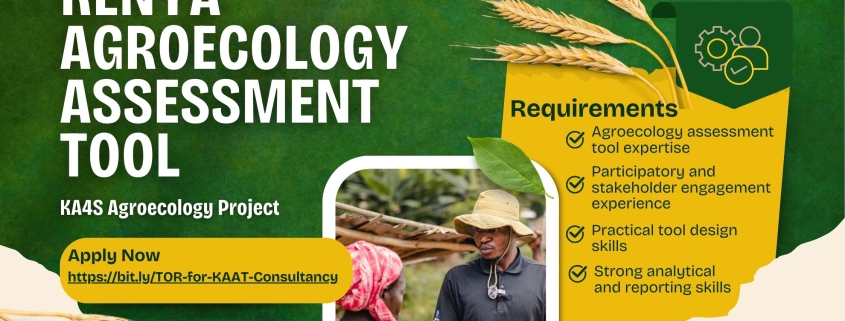
Call for Proposal: KAAT Consultancy for KA4S Agroecology Project

Pioneering Sustainable Food Systems: KOAN Calls for Experts to Develop the Kenya Agroecology Assessment Tool (KAAT)

Kenya’s agricultural landscape is evolving rapidly. With the 2024 launch of the National Agroecology Strategy for Food Systems Transformation (NAS–FST), agroecology—blending ecological principles with social, economic, and cultural factors—is gaining momentum. Yet, a critical gap remains: no harmonized system exists to verify and market agroecological (AE) products, eroding consumer trust and farmer opportunities.

Enter the Kenya Agroecology Assessment Tool (KAAT), a game-changer KOAN is developing under the KA4S project (Kilimo Hai Agroecology for Schools). Funded by The Rockefeller Foundation and implemented with Practical Action and FiBL, this initiative pilots in Murang’a County from August 2025 to January 2028. KAAT will adapt global tools like FAO’s TAPE (for performance evaluation) and Biovision’s F-ACT (farmer-focused) into a single, PGS-friendly framework. It powers the new Kilimohai Blue Mark, enabling peer-assessed certification for farms, landscapes, and value chains—linking 800+ farmers (especially women and marginalized groups) to schools, markets, and beyond.

Why KAAT Matters

  • Builds Trust: Ensures Agroecology products meet Kenya-specific standards for production, marketing, and consumption.

  • Boosts Livelihoods: Integrates PGS for traceability, school feeding programs, and mainstream markets.

  • Drives Policy: Generates evidence for national scale-up via Participatory Market Chain Approach (PMCA).

The Consultancy Opportunity

KOAN seeks experienced consultants (individuals or firms) for a 10-week assignment:

  • Analyze TAPE/F-ACT against Kenyan contexts.

  • Engage stakeholders (farmers, government, traders) via workshops and pilots.

  • Deliver KAAT prototype, user manual, training materials, and a validation workshop.

Ideal Profile: Advanced degree in agroecology/agriculture; 7+ years in assessment tools; TAPE/F-ACT expertise; participatory facilitation skills.

Download the full Terms of Reference here and submit your expression of interest to procurement@koan.co.ke with a copy to Eustace ekiarii@koan.co.ke by 31st December 2025.

Help shape Kenya’s agroecological future!

Stay tuned for updates on KA4S and join KOAN’s network for capacity building and market linkages.

KOAN Seeks Expert Consultant to Strengthen Organizational Policies for Sustainable Impact

At KOAN, we’ve spent two decades empowering smallholder farmers through organic agriculture, climate-smart practices, and resilient value chains. We strive to scale our impact by reviewing our core policies and operational guidelines. We’re inviting qualified consultants to facilitate a 2-day participatory workshop in early January 2026. This role involves reviewing 15 key documents from financial and procurement policies to gender and risk management developing a discussion roadmap, guiding inclusive sessions, and delivering updated versions for board approval. If you have a Master’s in environmental science, development studies, or related fields, plus expertise in organizational development and participatory methods, this is your chance to support Kenya’s organic sector.

Submit technical and financial proposals to procurement@koan.co.ke by 19th December 2025 (subject: “RFQ: Consultancy for Facilitating Review of Organization Policies and Operational Guidelines”). Full TOR available here. Join us in building a stronger KOAN for sustainable futures!